


Page 79 - GTM-3-3
P. 79
Global Translational Medicine                               Graphene oxide in cancer drug delivery applications


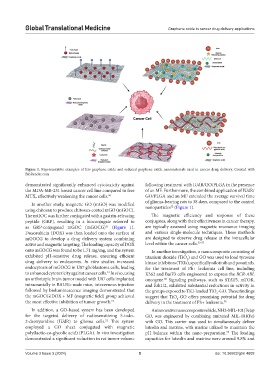
            Figure 1. Representative examples of few graphene oxide and reduced graphene oxide nanomaterials used in cancer drug delivery. Created with
            BioRender.com
            demonstrated significantly enhanced cytotoxicity against   following treatment with IUdR/GO/PLGA in the presence
            the MDA-MB-231 breast cancer cell line compared to free   of an MF. Furthermore, the combined application of IUdR/
            MTX, effectively weakening the cancer cells. 50    GO/PLGA and an MF extended the average survival time
              In another study, magnetic GO (mGO) was modified   of glioma-bearing rats to 38 days, compared to the control
                                                                          52
            using chitosan to produce chitosan-coated mGO (mGOC).   nanoparticles  (Figure 1).
            The mGOC was further conjugated with a gastrin-releasing   The magnetic efficiency and response of these
            peptide (GRP), resulting in a bioconjugate referred to   conjugates, along with their effectiveness in cancer therapy,
            as GRP-conjugated mGOC (mGOCG)  (Figure  1).       are typically assessed using magnetic resonance imaging
                                              51
            Doxorubicin (DOX) was then loaded onto the surface of   and various single-molecule techniques. These methods
            mGOCG to develop a drug delivery system combining   are designed to observe drug release at the intracellular
            active and magnetic targeting. The loading capacity of DOX   level within the cancer cells. 53-57
            onto mGOCG was found to be 1.71 mg/mg, and the system   In another investigation, a nanocomposite consisting of
            exhibited  pH-sensitive  drug  release,  ensuring  efficient   titanium dioxide (TiO ) and GO was used to load tyrosine
                                                                                2
            drug delivery to endosomes.  In vitro studies increased   kinase inhibitors (TKIs), specifically nilotinib and ponatinib,
            endocytosis of mGOCG in U87 glioblastoma cells, leading   for the treatment of Ph+ leukemia cell line, including
            to enhanced cytotoxicity against cancer cells.  In vivo, using   K562 and Ba/F3 cells engineered to express the BCR-ABL
                                               51
            an orthotopic brain tumor model with U87 cells implanted   oncogene.  Signaling pathways, such as STAT5, mTOR,
                                                                       58
            intracranially in BALB/c nude mice, intravenous injection   and Erk1/2, exhibited substantial reductions in activity in
            followed by bioluminescence imaging demonstrated that   the groups exposed to TKI-loaded TiO -GO. These findings
                                                                                             2
            the mGOCG/DOX + MF (magnetic field) group achieved   suggest that TiO -GO offers promising potential for drug
                                                                            2
            the most effective inhibition of tumor growth. 51  delivery in the treatment of Ph+ leukemia. 58
              In addition, a GO-based system has been developed   An innovative nanocomposite vehicle, NH2-MIL-101(Fe)@
            for the targeted delivery of radiosensitizing 5-iodo-  GO, was engineered by combining aminated MIL-101(Fe)
            2-deoxyuridine (IUdR) to glioma cells.  This system   with GO. This carrier was used to simultaneously deliver
                                              52
            employed a GO sheet conjugated with magnetic       luteolin and matrine, with marine utilized to maintain the
            poly(lactic-co-glycolic acid) (PLGA). In vivo investigation   pH balance within the nano-preparation.  The loading
                                                                                                 59
            demonstrated a significant reduction in rat tumor volume   capacities for luteolin and matrine were around 9.8% and

            Volume 3 Issue 3 (2024)                         5                               doi: 10.36922/gtm.4602

