


Page 127 - IJB-9-6
P. 127
International Journal of Bioprinting                                   Exosome-based bioink for bioprinting


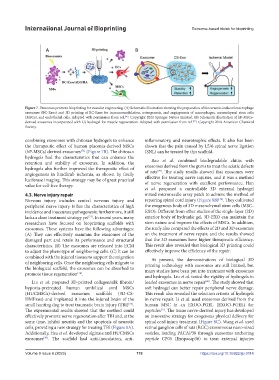
            Figure 7. Exosomes promote bioprinting for vascular engineering. (A) Schematic illustration showing the preparation of bioceramic-induced macrophage
            exosomes (BC-Exos) and 3D printing of BC-Exos for immunomodulation, osteogenesis, and angiogenesis of macrophages, mesenchymal stem cells
                                                      [36]
            (MSCs), and endothelial cells. Adapted with permission from ref. . Copyright 2021 Springer Nature Limited. (B) Schematic illustration of hP-MSCs-
                                                                                   [72]
            derived exosomes incorporated with CS hydrogel for muscle regeneration. Adapted with permission from ref. . Copyright 2018 American Chemical
            Society.
            combining exosomes with chitosan hydrogels to enhance   inflammatory, and neurotrophic effects. It also has been
            the therapeutic effect of human placenta-derived MSCs   shown that the pain caused by L5/6 spinal nerve ligation
                                    [72]
            (hP-MSCs) derived exosomes  (Figure 7B). The chitosan   (SNL) can be treated by this scaffold.
            hydrogels had the characteristics that can  enhance the
            retention and stability of exosomes. In addition, the   Rao  et al. combined biodegradable chitin with
            hydrogels also further improved the therapeutic effect of   exosomes derived from the gums to treat the sciatic defects
                                                                    [79]
            angiogenesis in hindlimb ischemia, as shown by firefly   of rats . The study results showed that exosomes were
            luciferase imaging. This strategy may be of great practical   effective for treating nerve injuries, and it was a method
            value for cell-free therapy.                       of nerve regeneration with excellent performance. Han
                                                               et al. proposed a controllable 3D external hydrogel
            4.3. Nerve injury repair                           mixed microneedle array patch to achieve the method of
                                                                                              [76]
            Nervous injury includes central nervous injury and   repairing spinal cord injury (Figure 8B) . They cultivated
            peripheral nerve injury. It has the characteristics of high   the exogenous body of 3D mesenchymal stem cells (MSC-
            incidence and inaccurate pathogenesis; furthermore, it still   EXO). Different from other studies of the single-layer (2D)
            lacks a clear treatment strategy yet . In recent years, many   exterior body of hydraulic gel, 3D-EXO can maintain the
                                       [73]
            researchers have focused on bioprinting scaffolds with   stem nature and improve the effects of MSCs. In addition,
            exosomes. These  systems  have the  following  advantages:   the study also compared the effects of 2D and 3D exosomes
            (A) They can effectively maintain the exosomes of the   on the treatment of nerve repair, and the results showed
            damaged part and retain its performance  and structural   that the 3D exosomes have higher therapeutic efficiency.
            characteristics. (B) The exosomes are released into ECM   This result also revealed that biological 3D printing could
            to adjust the phenotype of neighboring cells. (C) It can be   effectively improve the efficiency of the repair.
            combined with the injured tissues to support the migration   At present, the demonstrations of biological 3D
            of neighboring cells. Once the neighboring cells migrate to   printing technology with exosomes are still limited, but
            the biological scaffold, the exosomes can be absorbed to   many studies have been put into treatment with exosomes
            promote tissue regeneration .
                                  [74]
                                                               and hydrogels. Liu et al. tested the rigidity of hydrogels in
               Liu  et al. prepared 3D-printed collagen/silk fibroin/  loaded exosomes in nerve repair . The study showed that
                                                                                         [80]
            hypoxia-pretreated  human umbilical  cord MSCs     soft hydrogel can better repair peripheral nerve damage.
            (HUCMSCs)-derived   exosomes  scaffolds  (3D-CS-   This result also revealed the selection criteria of hydrogels
            HMExos) and implanted it into the injured brain of the   in nerve repair. Li et al. used exosomes derived from the
            small hunting dog to treat traumatic brain injury (TBI) .   human MSC in an EXOO-PGEL (EXOO-PGEL) for
                                                        [75]
            The experimental results showed that the method could   peptides . The tissue nerve-derived injury has developed
                                                                      [77]
            effectively promote nerve regeneration after TBI and, at the   an innovative strategy for exogenous physical delivery for
            same time, inhibit neuritis and the apoptosis of neurotic   spinal cord injury treatment (Figure 8C). Wang et al. used
            cells, providing a new strategy for treating TBI (Figure 8A).   retinal ganglion cells of rats (RGC) exosomes as nano-sized
            Additionally, Hsu et al. developed alginate and HUCMSCs   vesicles, loading PACAP38 through exosomes anchoring
            exosomes . The scaffold had anti-inoculation, anti-  peptide CP05 (Exopacap38) to treat external injuries
                    [78]

            Volume 9 Issue 6 (2023)                        119                         https://doi.org/10.36922/ijb.0114

