


Page 286 - IJB-9-6
P. 286
International Journal of Bioprinting                                Progress in bioprinted ear reconstruction


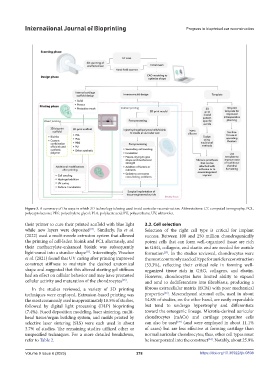
            Figure 3. A summary of the ways in which 3D technology is being used to aid auricular reconstruction. Abbreviations: CT, computed tomography; PCL,
            polycaprolactone; PEG, polyethylene glycol; PLA, polylactic acid; PU, polyurethane; UV, ultraviolet.

            their printer to cure their printed scaffold with blue light   3.2. Cell selection
            while new layers were deposited . Similarly, Jia  et  al.   Selection of the right cell type is critical for implant
                                       [14]
            (2022) used a multi-nozzle extrusion system that allowed   success. Between 100 and 250 million chondrogenically
            the printing of cell-laden bioink and PCL alternately, and   potent cells that can form well-organized tissue are rich
            their  methacrylate-enhanced  bioink was subsequently   in GAG, collagens, and elastin and are needed for auricle
            light-cured into a sturdier shape . Interestingly, Visscher   formation . In the studies reviewed, chondrocytes were
                                      [11]
                                                                       [29]
            et al. (2021) found that UV curing after printing improved   the most commonly used cell type for auricle reconstruction
            construct stiffness to maintain the desired anatomical   (33.3%), reflecting their critical role in forming well-
            shape and suggested that this altered starting gel stiffness   organized tissue rich in GAG, collagens, and elastin.
            had an effect on cellular behavior and may have promoted   However, chondrocytes have limited ability to expand
            cellular activity and maturation of the chondrocytes .  and tend to dedifferentiate into fibroblasts, producing a
                                                     [28]
               In the studies reviewed, a variety of 3D printing   fibrous extracellular matrix (ECM) with poor mechanical
                                                                       [23]
            techniques were employed. Extrusion-based printing was   properties . Mesenchymal stromal cells, used in about
            the most commonly used in approximately 18.5% of studies,   14.8% of studies, on the other hand, are easily expandable
            followed by digital light processing (DLP) bioprinting   but tend to undergo hypertrophy and differentiate
            (7.4%). Fused deposition modeling, laser sintering, multi-  toward the osteogenic lineage. Microtia-derived auricular
            head tissue/organ building system, and molds printed by   chondrocytes (mACs) and cartilage progenitor cells
                                                                             [29]
            selective laser sintering (SLS) were each used in about   can also be used  (and were employed in about 11.1%
            3.7% of studies. The remaining studies utilized other or   of cases) but are less effective at forming cartilage than
            unspecified techniques. For a more detailed breakdown,   normal auricular chondrocytes; thus, other cell types must
            refer to Table 2.                                  be incorporated into the construct . Notably, about 25.9%
                                                                                          [23]
            Volume 9 Issue 6 (2023)                        278                        https://doi.org/10.36922/ijb.0898

