


Page 336 - IJB-9-6
P. 336
International Journal of Bioprinting                                   3D printing and bioprinting in urology


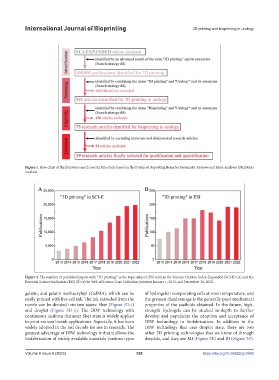
            Figure 1. Flow chart of the literature search used in this study based on the Preferred Reporting Items for Systematic Reviews and Meta-analyses (PRISMA)
            method.


            Figure 2. The number of published papers with “3D printing” as the topic subject (TS) term in the Science Citation Index-Expanded (SCI-E) (A) and the
            Essential Science Indicators (ESI) (B) of the Web of Science Core Collection between January 1, 2013, and December 31, 2022.

            gelatin, and gelatin methacryloyl (GelMA), which can be   of hydrogels) incorporating cells at room temperature, and
            easily printed with live cell ink. The ink extruded from the   the greatest disadvantage is the generally poor mechanical
            nozzle can be divided into two states: fiber (Figure 5D-i)    properties of the scaffolds obtained. In the future, high-
            and droplet (Figure 5D-ii). The DIW technology with   strength  hydrogels  can  be  studied  in-depth  to  further
            continuous uniform diameter fiber state is widely applied   develop and popularize the  adoption and acceptance  of
            to print various bioink applications. Especially, it has been   DIW technology in biofabrication. In addition to the
            widely adopted in the last decade for use in research. The   DIW technology that uses droplet state, there are two
            greatest advantage of DIW technology is that it allows the   other 3D printing technologies that we know of through
            biofabrication of widely available materials (various types   droplets, and they are MJ (Figure 5E) and BJ (Figure 5F).


            Volume 9 Issue 6 (2023)                        328                          https://doi.org/10.36922/ijb.0969

