


Page 9 - IMO-2-3
P. 9
Innovative Medicines & Omics                              MSC exosomes for digestive tumors: Bench to bedside


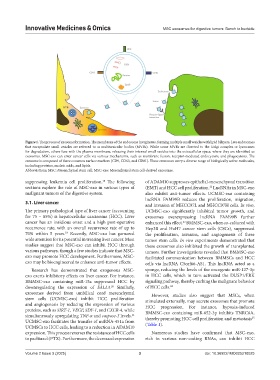
            Figure 1. The process of exosome formation. The membrane of the endosome invaginates, forming multiple small vesicles with lipid bilayers. Late endosomes
            that encapsulate small vesicles are referred to as multivesicular bodies (MVBs). While some MVBs are directed to the Golgi complex or lysosomes
            for degradation, others fuse with the plasma membrane, releasing their internal small vesicles into the extracellular space, where they are identified as
            exosomes. MSC-exo can enter cancer cells via various mechanisms, such as membrane fusion, receptor-mediated endocytosis, and phagocytosis. The
            exosome is composed of three common surface markers (CD9, CD63, and CD81). These exosomes carry a diverse range of biologically active molecules,
            including proteins, nucleic acids, and lipids.
            Abbreviations: MSC: Mesenchymal stem cell; MSC-exo: Mesenchymal stem cell-derived exosomes.


                                             18
            suppressing leukemia cell proliferation.  The following   of ADAM10 suppresses epithelial-mesenchymal transition
            sections explore the role of MSC-exo in various types of   (EMT) and HCC cell proliferation.  LncRNAs in MSC-exo
                                                                                          22
            malignant tumors of the digestive system.          also exhibit anti-tumor effects. UCMSC-exo containing
                                                               lncRNA  FAM99B  reduces  the  proliferation,  migration,
            3.1. Liver cancer                                  and invasion of MHCC97L and MHCC97H cells. In vivo,
            The primary pathological type of liver cancer (accounting   UCMSC-exo significantly inhibited tumor growth, and
            for 75 – 85%) is hepatocellular carcinoma (HCC). Liver   exosomes overexpressing lncRNA FAM99B further
            cancer has an insidious onset and a high post-operative   enhanced this effect.  BMMSC-exo, when co-cultured with
                                                                               23
            recurrence rate, with an overall recurrence rate of up to   Hep3B  and  HuH7  cancer  stem  cells  (CSCs),  suppressed
            70% within 5  years.  Recently, MSC-exo has garnered   the proliferation, invasion, and angiogenesis of these
                             19
            wide attention for its potential in treating liver cancer. Most   tumor stem cells. In vivo experiments demonstrated that
            studies suggest that MSC-exo can inhibit HCC through   these exosomes also inhibited the growth of transplanted
            various pathways, though a few studies indicate that MSC-  tumors. Further investigations revealed that BMMSC-exo
            exo may promote HCC development. Furthermore, MSC-  facilitated communication between BMMSCs and HCC
            exo may be bioengineered to enhance anti-tumor effects.  cells via lncRNA C5orf66-AS1. This lncRNA acted as a
              Research has demonstrated that exogenous MSC-    sponge, reducing the levels of the oncogenic miR-127-3p
            exo exerts inhibitory effects on liver cancer. For instance,   in HCC cells, which in turn activated the DUSP1/ERK
            BMMSC-exo containing miR-15a suppressed HCC by     signaling pathway, thereby curbing the malignant behavior
            downregulating  the  expression  of  SALL4.   Similarly,   of HCC cells. 24
                                                20
            exosomes derived from umbilical cord mesenchymal     However, studies also suggest that MSCs, when
            stem  cells  (UCMSC-exo)  inhibit  HCC  proliferation   stimulated externally, may secrete exosomes that promote
            and angiogenesis by reducing the expression of various   HCC progression. For instance, hypoxia-induced
            proteins, such as SIRT-1, VEGF, SDF-1, and CXCR-4, while   BMMSC-exo containing miR-652-3p inhibits TNRC6A,
            simultaneously upregulating TNF-α and caspase-3 levels.                                         25
                                                         21
            UCMSC-exo facilitates the transfer of miRNA-451a from   thereby promoting HCC cell proliferation and metastasis
            UCMSCs to HCC cells, leading to a reduction in ADAM10   (Table 1).
            expression. This process reverses the resistance of HCC cells   Numerous  studies  have  confirmed  that  MSC-exo,
            to paclitaxel (PTX). Furthermore, the decreased expression   rich in various non-coding RNAs, can inhibit HCC


            Volume 2 Issue 3 (2025)                         3                           doi: 10.36922/IMO025210025

