


Page 65 - ITPS-7-1
P. 65
INNOSC Theranostics and
            Pharmacological Sciences                                     Docking study of quinoline-3-carbaldehyde derives


            burden of malaria in the year 2020 ranged between 200   functionality of HAP and thereby inhibiting the protease
            and 300 million cases, resulting in approximately 627,000   of the Plasmodium parasite . By disabling HAP’s ability
                                                                                     [7]
            deaths . Among the various species of  Plasmodium   to degrade  hemoglobin, the propagation of the parasite
                 [1]
            that cause malaria,  Plasmodium falciparum is the most   within host cells could be reduced while preserving the
            formidable and widespread in Africa . In the recent   hemoglobin of infected erythrocytes.
                                            [2]
            decades, drug-resistant strains of  P. falciparum have   Quinoline is a major component of these drugs. As an
            emerged, leading to a worrisome situation where the   important organic compound found in certain natural
            effectiveness of currently available drugs has diminished.   compounds  such  as  alkaloids  and  pharmacologically
            These persistent challenges have prompted the search   active substances, quinoline has been reported to exhibit
            for new drugs or the redesigning of existing chemical   inhibitory effects on Plasmodium proteases both in vitro
            compounds, aiming to establish a sustainable global public   and in vivo .
                                                                        [8]
            health strategy.
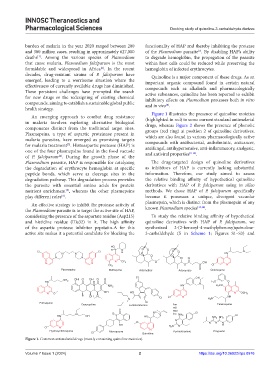
                                                                 Figure 1 illustrates the presence of quinoline moieties
              An emerging approach to combat drug resistance   (highlighted in red) in some current standard antimalarial
            in  malaria  involves  exploring  alternative  biological   drugs, whereas Figure 2 shows the presence of phenolic
            components distinct from the traditional target sites.   groups (red ring) at position 2 of quinoline derivatives,
            Plasmepsins, a type of aspartic proteinase present in   which are also found in various pharmacologically active
            malaria parasites, have emerged as promising targets   compounds with antibacterial, anthelmintic, anticancer,
            for malaria treatment . Histoaspartic protease (HAP) is   antifungal, antihypertensive, anti-inflammatory, analgesic,
                              [3]
            one of the four plasmepsins found in the food vacuole   and antiviral properties [9-12] .
            of  P. falciparum . During the growth phase of the
                          [4]
            Plasmodium parasite, HAP is responsible for catalyzing   The drug-targeted design of quinoline derivatives
            the degradation of erythrocyte hemoglobin at specific   as inhibitors of HAP is currently lacking substantial
            peptide bonds, which serve as cleavage sites in the   information. Therefore, our study aimed to assess
            degradation pathway. This degradation process provides   the relative binding affinity of hypothetical quinoline
            the parasite with essential amino acids for protein   derivatives with HAP of  P. falciparum using  in silico
            nutrient enrichment , whereas the other plasmepsins   methods. We chose HAP of  P. falciparum specifically
                             [5]
            play different roles .                             because it possesses a unique, divergent vacuolar
                           [6]
                                                               plasmepsin, which is distinct from the plasmepsin of any
              An effective strategy to inhibit the protease activity of              [13,14]
            the Plasmodium parasite is to target the active site of HAP,   known Plasmodium species  .
            considering the presence of the aspartate residue (Asp215)   To  study  the  relative  binding  affinity  of  hypothetical
            and histidine residue (His32) in it. The high affinity   quinoline derivatives with HAP of  P.  falciparum, we
            of the aspartic protease inhibitor pepstatin-A for this   synthesized  2-(2-benzoyl-4-methylphenoxy)quinoline-
            active site makes it a potential candidate for blocking the   3-carbaldehyde  (5  in  Scheme  1;  Figures  S1–S3)  and


            Figure 1. Common antimalarial drugs (mostly containing quinoline moieties).


            Volume 7 Issue 1 (2024)                         2                         https://doi.org/10.36922/itps.0976

