


Page 58 - JCBP-2-3
P. 58
Journal of Clinical and
            Basic Psychosomatics                                   Proteomic analysis of mind-body psychotherapy in psoriasis


                                                               healing.  Downregulation of these proteins in the plasma-
                                                                     36
                                                               derived exosome may also indicate the deterioration of
                                                               skin organization in psoriasis. Upregulation of COIA1
                                                               and CAP1 may alter skin organization in psoriasis because
                                                               CAP1 was reported to inhibit endothelial cell proliferation
                                                               and angiogenesis.  A study revealed that CAP1 controlled
                                                                             37
                                                               the actin cytoskeleton and its interactions with various
                                                               actin-binding proteins in cellular processes. 38
                                                                 These data were fed into KEGG pathway analysis to
                                                               decipher the functional and pathological roles of these
                                                               changes. KEGG pathway analysis identified two pathways
                                                               involved in psoriasis: ribosome signaling pathway (https://
                                                               www.kegg.jp/dbget-bin/www_bget?map03010),  and
                                                               apelin signaling pathway (https://www.kegg.jp/dbget-
                                                               bin/www_bget?map04371). The peptidase inhibitor-3K
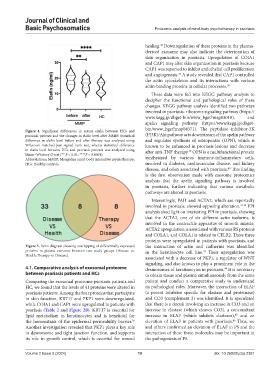
            Figure  4. Significant differences in serum elafin between HCs and
            psoriasis patients and the changes in elafin level after MMIP. Statistical   (PI3K)/Akt pathway acts downstream of the apelin pathway
            difference in elafin level before and after therapy was analyzed using   and  regulates  synthesis  of  osteopontin  (OPN),  which  is
            Wilcoxon matched-pair signed rank test, wheras statistical difference   known to be enhanced in psoriasis lesions and decrease
            in elafin level between HCs and psoriasis patients was analyzed using   after anti-TNF therapy.  OPN is a multifunctional protein
                                                                                 39
            Mann–Whitney U-test (** P < 0.01; ****P < 0.0001).
            Abbreviations: MMIP: Mongolian mind-body interactive psychotherapy;   synthesized by various immune-inflammatory cells,
            HCs: Healthy controls.                             involved  in diabetes, cardiovascular  disease,  and kidney
                                                               disease, and often associated with psoriasis.  This finding
                                                                                                  40
                                                               is the first observation made with exosome proteomics
                                                               analysis that the apelin signaling pathway is involved
                                                               in psoriasis,  further  indicating that  various metabolic
                                                               pathways are altered in psoriasis.
                                                                 Interestingly, PAI1 and ACTA2, which are reportedly
                                                               involved in psoriasis, showed opposing alteration. 41,42  PPI
                                                               analysis shed light on interesting PPI in psoriasis, showing
                                                               that the  ACTA2, one of six  different actin  isoforms, is
                                                               involved in the contractile apparatus of smooth muscle,
                                                               ACTA2 upregulation is associated with various RS proteins
                                                               and COLA1, and COLA1 is related to CELR2. These three
                                                               proteins were upregulated in patients with psoriasis, and
            Figure 5. Venn diagram showing overlapping of differentially expressed   the  interaction  of  actin  and  cadherins  was  identified
            proteins in plasma exosome between two study groups (Disease vs.   in the keratinocyte cell line.  Their upregulation was
                                                                                       43
            Health; Therapy vs. Disease).
                                                               associated with a decrease of PKP1, a regulator of WNT
                                                               signaling, and also known to play a prominent role in the
            4.1. Comparative analysis of exosomal proteome     desmosomes of keratinocytes in psoriasis.  It is necessary
                                                                                                44
            between psoriasis patients and HCs                 to obtain tissue and plasma simultaneously from the same
            Comparing the exosomal proteome psoriasis patients and   patient and conduct a comparative study to understand
            HC, we found that the levels of 41 proteins were altered in   its pathological roles. Moreover, the interaction of ELAF
            psoriasis patients. Among the four proteins that participate   (a potent inhibitor specific for elastase and proteinase)
            in skin function, KRT17 and PKP1 were downregulated,   and CO3 (complement 3) was identified. It is speculated
            while COIA1 and CAP1 were upregulated in patients with   that there is a circuit involving an increase in CO3 and an
            psoriasis (Table 2 and Figure 2B). KRT17 is essential for   increase in elastase (which cleaves CO3), a concomitant
            lipid metabolism in keratinocytes and is beneficial for   increase in ELAF (which inhibits elastases),  and an
                                                                                                     45
                                                         35
                                                                                                    46
            the homeostasis of the epidermal permeability barrier.    elevation of ELAF in patients with psoriasis.  Thus, we
            Another investigation revealed that PKP1 plays a key role   and others confirmed an elevation of ELAF in PS and the
            in desmosome and tight junction function, and supports   interaction of these three molecules may be important in
            its role in growth control, which is essential for wound   the pathogenesis of PS.

            Volume 2 Issue 3 (2024)                         10                              doi: 10.36922/jcbp.2381

