


Page 61 - JCTR-9-6
P. 61
Malakar et al. | Journal of Clinical and Translational Research 2023; 9(6): 423-432   425
        Table 1. Clinical trial studies of selinexor alone or in combination with chemotherapeutic drugs in AML
        Drugs                       Type of leukemia  Phases  Outcome                                      References
        Selinexor                   AML           Phase I  Selinexor is safe as a monotherapy in patients with relapsed or   [17]
                                                          refractory AML
        Selinexor + Venetoclax      AML           Phase I  This combination is a safe regimen for AML patients  NCT04898894
        Selinexor + Daunorubicin + Cytarabine  AML  Phase I  This combination is a safe regimen for newly diagnosed poor-risk   [18]
                                                          AML patients
        Selinexor + Mitoxantrone (M) +   AML      Phase I  Selinexor plus MEC is a feasible treatment for patients with R/R AML  NCT02299518
        Etoposide (E) + Cytarabine (C )
        Selinexor + Cytarabine + Idarubicin  AML  Phase II  Selinexor, cytarabine, and idarubicin result in a high remission rate in   [19]
                                                          patients with R/R AML
        AML: Acute myeloid leukemia

        Table 2. Preclinical studies of selinexor alone or in combination with chemotherapeutic drugs in various cancers and their altered pathways
        Drugs                     In vitro/In vivo studies    Altered pathways                               References
        Selinexor                 AML cell line               Downregulation of mTOR signaling; regulate p53 pathway  [13]
        Selinexor + Dexamethasone  Multiple myeloma cell line and   Suppress mTORC1 signaling and inhibits tumor growth in   [20]
                                  multiple myeloma mice models  both in vitro and in vivo studies
        Selinexor + Azacitidine   AML cell line               Inhibit XPO1/eIF4E/c-MYC signaling               [21]
        Selinexor                 Gall bladder cancer cell line   Autophagy-dependent apoptosis by activating the p53/  [22]
                                  and mice models             mTOR pathway
        AML: Acute myeloid leukemia; mTOR: Mammalian target of rapamycin

                          A                                    B


                                      C


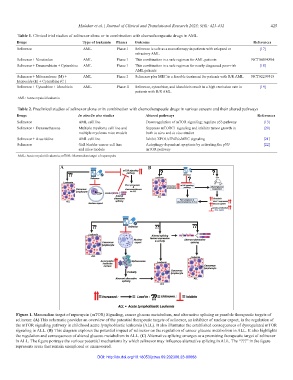
         Figure 1. Mammalian target of rapamycin (mTOR) Signaling, cancer glucose metabolism, and alternative splicing as possible therapeutic targets of
        selinexor. (A) This schematic provides an overview of the potential therapeutic targets of selinexor, an inhibitor of nuclear export, in the regulation of
        the mTOR signaling pathway in childhood acute lymphoblastic leukemia (ALL). It also illustrates the established consequences of dysregulated mTOR
        signaling in ALL. (B) This diagram explores the potential impact of selinexor on the regulation of cancer glucose metabolism in ALL. It also highlights
        the regulation and consequences of altered glucose metabolism in ALL. (C) Alternative splicing emerges as a promising therapeutic target of selinexor
        in ALL. The figure portrays the various potential mechanisms by which selinexor may influence alternative splicing in ALL. The “???” in the figure
        represents areas that remain unexplored or unanswered.

                                          DOI: http://dx.doi.org/10.18053/jctres.09.202306.23-00088

