


Page 122 - MI-1-1
P. 122
Microbes & Immunity                                            Rare multi-site Klebsiella pneumoniae infections


            A                       B                          our  reports,  four  of the patients  had untreated diabetes
                                                               mellitus. In the case involving endophthalmitis, the patient
                                                               underwent enucleation of the left eye due to irreversible
                                                               vision loss. Unfortunately, the individual with purulent
                                                               meningitis succumbed to the condition (Table 1).
                                                                 For three of the patients, the involvement of unusual
                                                               infection sites (the spleen, the psoas major, and
                                                               subcutaneous soft tissue/muscle) added complexity to
            C                       D                          the diagnostic process. Although historically rare, splenic
                                                               abscesses have been noted to occur with greater frequency.
                                                               A variety of conditions can contribute to splenic abscess or
                                                               necrosis, such as endocarditis, advanced syphilis, acquired
                                                               immunodeficiency syndrome, typhoid fever, cat scratch
                                                               disease, splenic trauma, or undergoing chemotherapy. 18-22
                                                               No prior cases of splenic abscess due to KP have been
                                                               reported, and in our case, the patient’s history of radiation
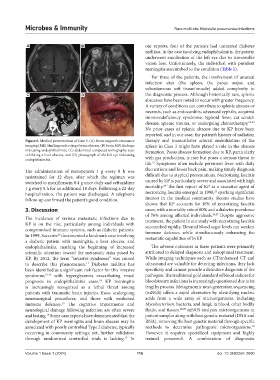
            Figure 6. Medical presentations of Case 6. (A) Brain magnetic resonance   therapy  and transcatheter  arterial  embolization of  the
            imaging (MRI) findings indicating a brain abscess, (B) brain MRI findings   spleen in Case 3 might have played a role in the abscess
            indicating endophthalmitis, (C) abdominal computed tomography scan   formation. Psoas abscess formation due to KP, particularly
            exhibiting a liver abscess, and (D) photograph of the left eye indicating   with gas production, is rare but poses a serious threat to
            endophthalmitis.
                                                               life.  Symptoms often include persistent fever with daily
                                                                  23
            The administration of meropenem 1  g every 8  h was   fluctuations and lower back pain, making timely diagnosis
            maintained for 12  days, after which the regimen was   difficult due to atypical presentations. Necrotizing fasciitis
            switched to moxifloxacin 0.4 g once daily and ceftazidime   caused by KP is particularly severe and associated with high
                                                                       24
            1 g every 8 h for an additional 10 days. Following a 22-day   mortality.  The first report of KP as a causative agent of
                                                                                            25
            hospitalization, the patient was discharged. A  telephone   necrotizing fasciitis emerged in 1998,  sparking significant
            follow-up confirmed the patient’s good condition.  interest in the medical community. Recent studies have
                                                               shown that KP accounts for 16% of necrotizing fasciitis
            3. Discussion                                      cases, with a mortality rate of 60% and a diabetes prevalence
                                                               of 76% among affected individuals. 26,27  Despite aggressive
            The incidence of serious metastatic infections due to   treatment, the patient in our study with necrotizing fasciitis
            KP is on the rise, particularly among individuals with   succumbed rapidly. Elevated blood sugar levels can weaken
            compromised immune systems, such as diabetic patients.   immune defenses while simultaneously enhancing the
            In 1999, Saccente  documented a landmark case involving   metastatic capabilities of hvKP.
                          10
            a diabetic patient with meningitis, a liver abscess, and
            endophthalmitis,  marking  the  beginning  of  increased   The adverse outcomes in these patients were primarily
            scientific attention toward the metastatic risks posed by   attributed to delayed diagnosis and suboptimal treatment.
            KP. By 2012, the term “invasive syndrome” was coined   While imaging techniques such as CT/enhanced CT and
            to describe this phenomenon.  Diabetes mellitus has   ultrasound are valuable for detecting infections, they lack
                                      11
            been identified as a significant risk factor for this invasive   specificity and cannot provide a definitive diagnosis of the
            syndrome, 12,13  with hyperglycemia exacerbating visual   pathogen. The traditional gold standard of blood culture for
            prognosis in endophthalmitis cases.  KP meningitis   bloodstream infections is increasingly questioned due to its
                                           14
            is increasingly recognized as a lethal threat among   lengthy process. Metagenomic next-generation sequencing
            patients with traumatic brain injuries, those undergoing   (mNGS) offers a rapid alternative by identifying nucleic
            neurosurgical procedures, and those with weakened   acids from a wide array of microorganisms, including
            immune defenses.  The cognitive impairments and    Mycobacterium, bacteria, and fungi, in blood, other bodily
                           15
            neurological damage following infection are often severe   fluids, and tissues. 28,29  mNGS analyzes microorganisms in
            and lasting.  Some case reports have demonstrated that the   patient samples along with host genetic material (DNA and
                     16
            development of KP meningitis and brain abscess may be   RNA), removing the host genetic material through specific
                                                                                                            30
            associated with poorly controlled Type 2 diabetes, typically   methods to determine pathogenic microorganisms.
            occurring in  community settings; yet,  further  validation   However,  it requires specialized  equipment and highly
            through randomized controlled trials is lacking.  In   trained personnel. A  combination of diagnostic
                                                      17

            Volume 1 Issue 1 (2024)                        116                               doi: 10.36922/mi.2600

