


Page 123 - MI-1-1
P. 123
Microbes & Immunity                                            Rare multi-site Klebsiella pneumoniae infections


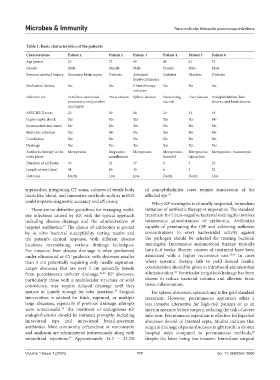
            Table 1. Basic characteristics of the patients
            Characteristics   Patient 1        Patient 2  Patient 3   Patient 4  Patient 5  Patient 6
            Age (years)       23               72         69          45         61        72
            Gender            Male             Female     Male        Female     Male      Male
            Previous medical history  Traumatic brain injury  Diabetes  Advanced   Diabetes  Diabetes  Diabetes
                                                          hepatocarcinoma
            Medication history  No             No         Chemotherapy   No      No        No
                                                          radiation
            Infection site    Ventilator-associated   Psoas abscess  Splenic abscess  Necrotizing   Liver abscess  Endophthalmitis, liver
                              pneumonia and purulent                  fasciitis            abscess, and brain abscess
                              meningitis
            APECHE II score   23               30         18          34         34        18
            Sepsis–septic shock  Yes           Yes        Yes         Yes        Yes       No
            Immunodeficient states  No         No         Yes         No         No        No
            Multi-site infection  Yes          No         No          Yes        No        No
            Coinfection       Yes              No         No          No         No        No
            Drainage          Yes              Yes        Yes         Yes        Yes       Yes
            Antibiotic therapy in the  Meropenem  Imipenem+   Meropenem  Meropenem+   Meropenem+  Meropenem+ vancomycin
            acute phase                        moxifloxacin           linezolid  tigecycline
            Duration of antibiotic  30         32         27          6          3         22
            Length of stay (days)  44          40         30          6          3         22
            Outcome           Death            Live       Live        Death      Death     Live


            approaches, integrating CT scans, cultures of sterile body   of panophthalmitis cases require enucleation of the
            fluids like blood, and innovative methods such as mNGS   affected eye. 38
            could improve diagnostic accuracy and efficiency.    When KP meningitis is clinically suspected, immediate
              There are no definitive guidelines for managing multi-  initiation of antibiotic therapy is imperative. The standard
            site infections caused by KP, with the typical approach   treatment for Gram-negative bacterial meningitis involves
            including abscess drainage and the administration of   intravenous administration of antibiotics. Antibiotics
            targeted antibiotics.  The choice of antibiotics is guided   capable of penetrating the CSF and achieving sufficient
                            31
            by  in vitro bacterial susceptibility  testing results and   concentrations to exert bactericidal activity against
            the patient’s clinical response, with different abscess   the pathogen should be selected for treating bacterial
            locations necessitating various drainage techniques.   meningitis. Intravenous  antimicrobial therapy typically
            For instance, liver abscess drainage is often performed   lasts 6–8 weeks. Shorter courses of treatment have been
            under ultrasound or CT guidance, with abscesses smaller   associated with a higher recurrence rate. 39,40  In cases
            than 5  cm potentially requiring only needle aspiration.   where systemic therapy fails to yield desired results,
            Larger abscesses that are over 5  cm generally benefit   consideration should be given to intrathecal antimicrobial
                                                                           41
            from percutaneous catheter drainage. 32-34  KP abscesses,   administration.  Ventricular irrigation/drainage has been
            particularly those with a multilocular structure or solid   shown  to  reduce  bacterial  colonies  and  alleviate  brain
            consistency, may require delayed drainage until they   tissue inflammation.
            mature or liquefy enough for tube insertion.  Surgical   For splenic abscesses, splenectomy is the gold standard
                                                  35
            intervention is advised for thick, ruptured, or multiple   treatment. However, percutaneous aspiration offers a
            large  abscesses,  especially if  previous  drainage attempts   less  invasive  alternative  for  high-risk  patients or  as  an
                           36
            were unsuccessful.  The treatment of endogenous KP   interim measure before surgery, reducing the risk of severe
            endophthalmitis  should  be  initiated  promptly,  including   infection. Percutaneous aspiration is effective for liquefied
            intravitreal taps and intravitreal broad-spectrum   abscesses  devoid  of  internal  septa.  Studies  indicate  that
            antibiotics.  Most  commonly,  ceftazidime  or  vancomycin   surgical drainage of psoas abscesses might result in shorter
            and amikacin are administered intravenously along with   hospital stays compared to percutaneous methods,
                                                                                                            42
            intravitreal  injections.   Approximately  14.3  –  23.2%   despite the latter being less invasive. Immediate surgical
                              37
            Volume 1 Issue 1 (2024)                        117                               doi: 10.36922/mi.2600

