


Page 22 - MI-1-1
P. 22
Microbes & Immunity                                      RANTES/CCL5 and ezrin peptide RepG3 for long COVID


            presence of proinflammatory cytokines.  More research is   involved in the regulation of MEK > ERK1/2 and PKC > p38
                                            81
            needed to unravel the complex control pathways triggered   MAPK signaling. As part of the cell membrane multi-protein
            by infection and proinflammatory cytokines that regulate   complex, EBP50 and CFTR regulate proinflammatory IL-8
            CCL5 gene expression, which are modulated by the   expression and anti-inflammatory IL-10 expression. 82
            CFTR+EBP50+ICAM+Ezrin+PKC+PI3 K multiprotein         Under inflammatory conditions, NF-κB increases EBP50
            complex (Figure 7).
                                                               expression, which potentiates systemic inflammation by
            6.3. CFTR+EBP50+PKC and ezrin regulation of        promoting macrophage recruitment and activation. Ezrin-
            proinflammatory gene expression                    binding phosphoprotein 50 increases inflammatory responses
                                                               in vascular smooth muscle cells (VSMC), including the
            Ezrin-binding phosphoprotein 50 plays a central role in   expression of adhesion molecules such as ICAM-1 bound to
            the activation of inflammatory cytokine expression. Ezrin-  the FERM domain of ezrin, which are critical for the homing
            binding phosphoprotein 50 is a submembrane protein with   of macrophages to sites of damage. Activated EBP50 also
            two tandem PDZ domains and a carboxy-terminal ezrin-  increases the secretion of proinflammatory cytokines, which
            binding (EB) site. The C-terminus of CFTR binds to PDZ-1   are important factors for further induction of proliferation,
            of EPB50 through its C-terminal PDZ-interacting domain   migration, and adhesion of macrophages.
            (TRL). Ezrin-binding phosphoprotein 50 also contains a
            second PDZ-binding domain (PDZ-2), which can engage   Ezrin-binding phosphoprotein 50 assembles signal
            with other kinases, such as PKC, RhoA, and Ras, and is   transduction complexes through its two PDZ domains.


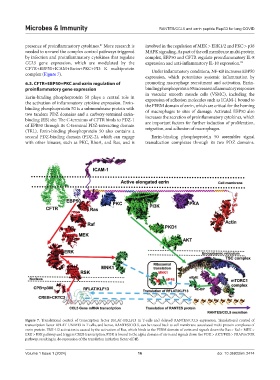
            Figure  7. Translational control of transcription factor RFLAT-1/KLF13 in T-cells and delayed RANTES/CCL5 expression. Translational control of
            transcription factor RFLAT-1/KLF13 in T-cells, and hence, RANTES/CCL5, can be traced back to cell membrane-associated multi-protein complexes of
            ezrin protein. ERK-1/2 activation is caused by the activation of Ras, which binds to the FERM domain of ezrin and signals down the Ras > Raf > MEK >
            ERK > RSK pathway and triggers CREB transcription. PI3K is bound to the alpha domain of ezrin and signals down the PI3K > AKT/PKB > FRAP/mTOR
            pathway, resulting in de-repression of the translation initiation factor eIF4E.


            Volume 1 Issue 1 (2024)                         16                               doi: 10.36922/mi.2474

