


Page 131 - OR-1-2
P. 131
A                                               B


                        C                          D                     E


                         F


                        G                                        H


                         I             J          K          L           M            N


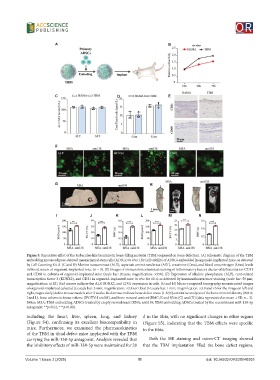
            Figure 5. Reparative effect of the trabeculae-like biomimetic bone-filling material (TBM) organoid on bone defection. (A) Schematic diagram of the TBM
            embedding mouse adipose-derived mesenchymal stem cells (ADSCs) in vivo. (B) Cell viability of ADSCs embedded in organoid-implanted mice, as detected
            by Cell Counting Kit-8. (C and D) Alanine transaminase (ALT), aspartate aminotransferase (AST), creatinine (Crea), and blood urea nitrogen (Urea) levels
            in blood serum of organoid-implanted mice (n = 3). (E) Images of immunohistochemical staining of inflammatory factors cluster of differentiation CD31
            and CD68 in calvaria of organoid-implanted mice (scale bar: 20 μm; magnification: ×350). (F) Expression of alkaline phosphatase (ALP), runt-related
            transcription factor 2 (RUNX2), and CD31 in organoid-implanted mice in vivo for 10 d, as detected by immunofluorescence staining (scale bar: 50 μm;
            magnification: ×182). Red arrows indicate the ALP, RUNX2, and CD31 expression in cells. (G and H) Micro-computed tomography reconstructed images
            of organoid-implanted calvarial (G; scale bar: 5 mm; magnification: ×2.4) or tibial (H; scale bar: 1 mm; magnification: ×3.9 and ×5 for the image on left and
            right, respectively) defect mouse models after 3 weeks. Red arrows indicate bone defect areas. (I-N) Quantitative analyzes of the bone mineral density (BMD;
            I and L), bone volume to tissue volume (BV/TV; J and M), and bone mineral content (BMC; K and N) in (G) and (H) (data represented as mean ± SD, n = 3).
            Notes: MSA: TBM embedding ADSCs treated by empty recombinant tRNA; anti138: TBM embedding ADSCs treated by the recombinant miR-138-5p
            antagonist; **p<0.01; ***p<0.001.
            including the  heart, liver, spleen, lung, and kidney   d in the tibia, with no significant changes in other organs
            (Figure S4), confirming its excellent biocompatibility in   (Figure S5), indicating that the TBM effects were specific
            mice. Furthermore, we examined the pharmacokinetics   to the tibia.
            of the TBM in tibial defect mice implanted with the TBM
            carrying the miR-138-5p antagonist. Analysis revealed that   Both the HE staining and micro-CT imaging showed
            the inhibitory effects of miR-138-5p were maintained for 28   that the TBM implantation filled the bone defect regions,


            Volume 1 Issue 2 (2025)                         11                           doi: 10.36922/OR025040003

