


Page 100 - OR-1-3
P. 100
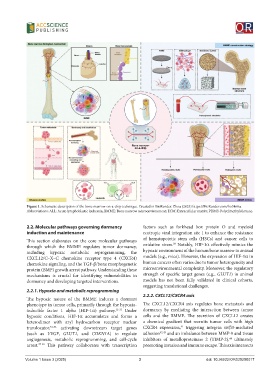
Figure 1. Schematic description of the bone marrow-on-a-chip technique. Created in BioRender. Zhou (2025) https://BioRender.com/ho3468u.
            Abbreviations: ALL: Acute lymphoblastic leukemia; BMME: Bone marrow microenvironment; ECM: Extracellular matrix; PDMS: Polydimethylsiloxane.


            2.2. Molecular pathways governing dormancy        factors such as forkhead box protein O and myeloid
            induction and maintenance                         ecotropic viral integration site 1 to enhance the resistance
            This section elaborates on the core molecular pathways   of hematopoietic stem cells (HSCs) and cancer cells to
                                                                           38
            through which the BMME regulates tumor dormancy,   oxidative stress.  Notably, HIF-1α effectively mimics the
            including  hypoxic  metabolic  reprogramming, the   hypoxic environment of the human bone marrow in animal
            CXCL12/C–X–C  chemokine  receptor  type  4  (CXCR4)   models (e.g., mice). However, the expression of HIF-1α in
            chemokine signaling, and the TGF-β/bone morphogenetic   human cancers often varies due to tumor heterogeneity and
            protein (BMP) growth arrest pathway. Understanding these   microenvironmental complexity. Moreover, the regulatory
            mechanisms is crucial for identifying vulnerabilities in   strength of specific target genes (e.g.,  GLUT1) in animal
            dormancy and developing targeted interventions.   models has not been fully validated in clinical cohorts,
                                                              suggesting translational challenges.
            2.2.1. Hypoxia and metabolic reprogramming
                                                              2.2.2. CXCL12/CXCR4 axis
            The hypoxic nature of the BMME induces a dormant
            phenotype in tumor cells, primarily through the hypoxia-  The CXCL12/CXCR4 axis regulates bone metastasis and
            inducible factor 1 alpha (HIF-1α) pathway. 31-33  Under   dormancy by mediating the interaction between tumor
            hypoxic conditions, HIF-1α accumulates and forms a   cells  and  the  BMME.  The secretion  of  CXCL12  creates
            heterodimer  with  aryl  hydrocarbon  receptor  nuclear   a chemical gradient that recruits tumor cells with high
            translocator, 34-36  activating downstream target  genes   CXCR4 expression,  triggering integrin  αvβ3-mediated
                                                                              41
            (such as  VEGF,  GLUT1, and  CDKN1A) to regulate   adhesion 42,43  and an imbalance between MMP-9 and tissue
                                                                                                   44
            angiogenesis, metabolic  reprogramming, and cell-cycle   inhibitors of metalloproteinase 2 (TIMP-2),  ultimately
            arrest. 37-40   This  pathway  collaborates  with  transcription   promoting invasion and immune escape. This axis intersects


            Volume 1 Issue 3 (2025)                         3                            doi: 10.36922/OR025200017

