


Page 42 - TD-1-1
P. 42
Tumor Discovery                                                   A bioinformatics analysis of PD-1 in cancers


            A                                                                B


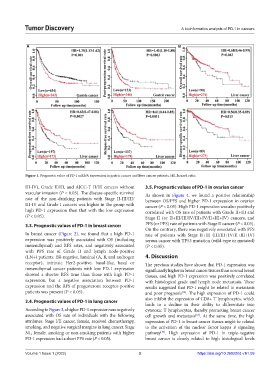
            Figure 1. Prognostic value of PD-1 mRNA expression in gastric cancer and liver cancer patients. HR, hazard ratio.

            III-IV), Grade II/III, and AJCC-T II/III cancers without   3.5. Prognostic values of PD-1 in ovarian cancer
            vascular invasion (P < 0.05). The disease-specific survival   As shown in  Figure  4, we found a positive relationship
            rate of the non-drinking patients with Stage II-III/III/  between OS/PFS and higher PD-1 expression in ovarian
            III-IV and Grade I cancers was higher in the group with   cancer (P < 0.05). High PD-1 expression was also positively
            high PD-1 expression than that with the low expression   correlated with OS rate of patients with Grade II+III and
            (P < 0.05).                                        Stage II (or II+III/III/IV/III+IV/II+III+IV) cancers, and
            3.3. Prognostic values of PD-1 in breast cancer    PFS (or PPS) rate of patients with Stage II cancer (P < 0.05).
                                                               On the contrary, there was negatively associated with PFS
            In breast cancer (Figure  2), we found that a high PD-1   rate of patients with Stage II+III (III/III+IV/II+III+IV)
            expression was positively associated with OS (including   serous cancer with TP53 mutation (wild-type or mutated)
            mesenchymal) and RFS rates, and negatively associated   (P < 0.05).
            with PPS rate of Grade  II and lymph node-positive
            (LN+) patients. ER-negative, luminal (A, B, and androgen   4. Discussion
            receptor), intrinsic Her2-positive, basal-like, basal or   The previous studies have shown that PD-1 expression was
            mesenchymal cancer patients with low PD-1 expression   significantly higher in breast cancer tissues than normal breast
            showed a shorter RFS time than those with high PD-1   tissues, and high PD-1 expression was positively correlated
            expression, but a negative association between PD-1   with histological grade and lymph node metastasis. These
            expression and the RFS of progesterone receptor-positive   results suggested that PD-1 might be related to metastasis
            patients was present (P < 0.05).                   and poor prognosis . The high expression of PD-1 could
                                                                              [12]
                                                               also inhibit the expression of CD8+ T lymphocytes, which
            3.4. Prognostic values of PD-1 in lung cancer
                                                               leads to a decline in their ability to differentiate into
            According to Figure 3, a higher PD-1 expression was negatively   cytotoxic T lymphocytes, thereby promoting breast cancer
            associated with OS rate  of individuals  with the  following   cell growth and metastasis . At the same time, the high
                                                                                    [18]
            attributes: Stage I/II cancer, female, received chemotherapy,   expression of PD-1 in breast cancer tissues might be related
            smoking, and negative surgical margins in lung cancer. Stage   to the activation of the nuclear factor kappa B signaling
            N1, female, smoking or non-smoking patients with higher   pathway . High expression of PD-1 in triple-negative
                                                                     [19]
            PD-1 expression had a short PPS rate (P < 0.05).   breast cancer is closely related to high histological levels

            Volume 1 Issue 1 (2022)                         3                        https://doi.org/10.36922/td.v1i1.59

