


Page 86 - AIH-1-2
P. 86
Artificial Intelligence in Health                               Combating XDR-bacteria as we approach 2050


            quantum number. For data analysis, NMR absorption   by adding an adenyl group to them. In Figure 3, we have
            spectra were adjusted to the chemical shift (δ) using   presented the classification of different mdr genes and their
            tetramethylsilane (TMS) as a standard, and the data were   emergence over time. This depiction underscores the rapid
            expressed as ppm (parts per million). Tetramethylsilane   evolution of mdr genes in response to the introduction of
            is  chemically  inert,  magnetically  isotropic,  miscible   a new antibiotic derivative, conferring upon bacteria the
            with  most  organic  solvents,  and absorbs at a  higher   capability to  neutralize  new drugs. Nowadays,  bacterial
            frequency compared to common types of organic protons.   plasmids acquire DNA nikase, DNA topoisomerases, DNA
            Equation III is used to calculate the δ:           integrases, transposes, and integrons in such a way that,
            δ =Δv × 10 /oscillator frequency in cps    (III)   when exposed to a  new chemical, the bacteria begin  to
                     6
                                                               rearrange on plasmids to create a new mdr gene. Table 2
              Where Δv is the difference in magnetic spin absorption   demonstrates the accumulation of mdr genes in both large
            frequencies of the sample and the reference in cps (cps is   and small bacterial plasmids. It includes an example of
            approximately 700 cycles/s).                       the generation of large plasmids that were sequenced and
                                                               obtained from the NCBI GenBank Database (www.ncbi.
            2.10. RNA polymerase assay
                                                               nlm.nih.gov/nucleotide) by putting the accession number
            The RNA polymerase assay was conducted using 0.2 mM   (Table 2). We downloaded the plasmid sequences
            XTPs, 10 mM MgCl , 1 unit RNA of polymerase, 200 ng   and performed multi-alignment to see the percentage
                            2
            denatured CT-DNA, and 10 µci α-P -UTP. The reaction   similarities among them because such different plasmids
                                          32
            was carried out at 35°C for 15  min, after which it was   had many common mdr genes. 17
            spotted on diethylaminoethyl (DEAE) paper and washed
            with 0.5 M sodium phosphate, followed by ethanol. The   It is challenging to develop a new mdr gene against a
            dried paper was then counted on a scintillation counter.   new  antibiotic.  However,  in  the expansive  environment
            The RNA polymerase assay was performed at the Indian   of soil, water, and the intestines of humans and animals,
            Institute of Science, specifically in Prof. Dipankar   nature’s laboratories surpass human research laboratories.
            Chatterjee’s laboratory. A more recent fluorometric RNA   This is because environmental bacteria are acquiring
            polymerase assay using plasmid DNA as a template was   newer  mdr genes via conjugation from MDR-bacterial
            conducted at Bose Institute (Dr. Jayanta Mukhopadhyay’s   plasmids at a rate of approximately a 5% increase
            laboratory). 15                                    per year. At present, the Ganges River water hosts
                                                               45 – 50% ampicillin-resistant bacteria, but the percentage
            3. Results and discussion                          of  cefotaxime-resistant  bacteria  is  much  lower  at  5%.
                                                               However, imipenem-resistant bacteria are challenging to
            3.1. Mechanism of mdr genes’ function and drug     detect in Ganga River bacteria using conventional plating
            resistance                                         assays with 0.1 mL water on a 10 cm LB+agar+1 mg/mL
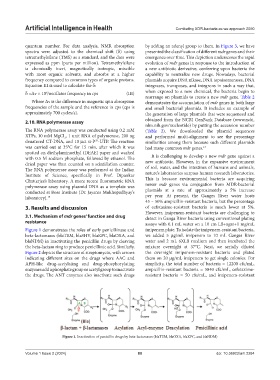
            Figure 1 demonstrates the roles of early penicillinase and   imipenem plate. To isolate the imipenem-resistant bacteria,
            beta-lactamases (blaTEM, blaSHV, blaKPC, blaOXA, and   we added 5  µg/mL imipenem to 10  mL Ganges River
            blaNDM) in inactivating the penicillin drugs by cleaving   water  and  2  mL  6XLB  medium  and  then  incubated  the
            the beta-lactam ring to produce penicillinic acid. Similarly,   mixture overnight at 37°C. Next, we serially diluted
            Figure 2 depicts the structure of streptomycin, with arrows   the overnight imipenem-resistant bacteria and plated
            indicating different sites on the drugs where AAC and   them on 20 µg/mL imipenem to get single colonies. For
            APH-like drug-acetylating and drug-phosphorylating   simplicity, the total number of bacteria = 12200 cfu/mL,
            enzymes add a phosphate group or acetyl group to inactivate   ampicillin-resistant bacteria  =  5840 cfu/mL, cefotaxime-
            the drugs. The ANT enzymes also inactivate such drugs   resistant bacteria =  50  cfu/mL, and imipenem-resistant


                            Figure 1. Inactivation of penicillin drugs by beta-lactamases (blaTEM, blaOXA, blaKPC, and blaNDM)


            Volume 1 Issue 2 (2024)                         80                               doi: 10.36922/aih.2284

