


Page 14 - AN-4-4
P. 14
Advanced Neurology                                                     Epilepsy after traumatic brain injuries


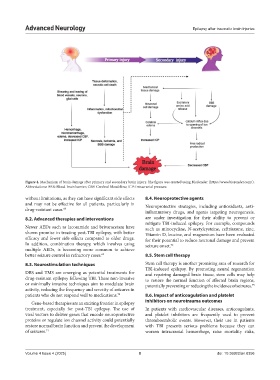
            Figure 4. Mechanism of brain damage after primary and secondary brain injury. The figure was created using BioRender (https://www.biorender.com/).
            Abbreviations: BBB: Blood-brain barrier; CBF: Cerebral blood flow; ICP: Intracranial pressure.

            without limitations, as they can have significant side effects   8.4. Neuroprotective agents
            and may not be effective for all patients, particularly in   Neuroprotective strategies, including antioxidants, anti-
            drug-resistant cases. 68                           inflammatory drugs, and agents targeting neurogenesis,
            8.2. Advanced therapies and interventions          are under investigation for their ability to prevent or
                                                               mitigate TBI-induced epilepsy. For example, compounds
            Newer AEDs such as lacosamide and brivaracetam have   such as minocycline,  N-acetylcysteine, ceftriaxone, zinc,
            shown promise in treating post-TBI epilepsy, with better   Vitamin D, leucine, and magnesium have been evaluated
            efficacy and fewer side effects compared to older drugs.   for their potential to reduce neuronal damage and prevent
            In addition, combination therapy, which involves using   seizure onset. 72
            multiple AEDs, is becoming more common to achieve
            better seizure control in refractory cases. 69     8.5. Stem cell therapy

            8.3. Neurostimulation techniques                   Stem cell therapy is another promising area of research for
                                                               TBI-induced  epilepsy.  By  promoting  neural  regeneration
            DBS and TMS are emerging as potential treatments for   and repairing damaged brain tissue, stem cells may help
            drug-resistant epilepsy following TBI. These non-invasive   to restore the normal function of affected brain regions,
            or minimally invasive techniques aim to modulate brain   potentially preventing or reducing the incidence of seizures. 73
            activity, reducing the frequency and severity of seizures in
            patients who do not respond well to medications. 70  8.6. Impact of anticoagulation and platelet
              Gene-based therapies are an exciting frontier in epilepsy   inhibitors on neurotrauma outcomes
            treatment,  especially  for  post-TBI  epilepsy.  The  use  of   In patients with cardiovascular diseases, anticoagulants,
            viral vectors to deliver genes that encode neuroprotective   and  platelet  inhibitors  are  frequently  used  to  prevent
            proteins or regulate ion channel activity could potentially   thromboembolic events. However, their use in patients
            restore normal brain function and prevent the development   with TBI presents serious problems because they can
            of seizures. 71                                    worsen  intracranial  hemorrhage,  raise  mortality  risks,


            Volume 4 Issue 4 (2025)                         8                                doi: 10.36922/an.8356

