


Page 75 - ARNM-2-4
P. 75
Advances in Radiotherapy
            & Nuclear Medicine                                           Comparison of online ATP versus offline ATS plans


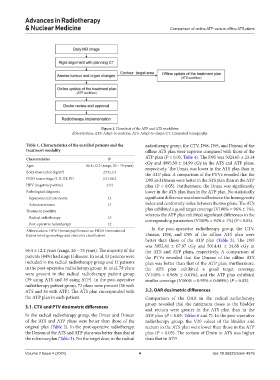
                                            Figure 1. Flowchart of the ATP and ATS workflows
                                Abbreviations: ATP: Adapt-to-position; ATS: Adapt-to-shape; CT: Computed tomography.

            Table 1. Characteristics of the enrolled patients and the   radiotherapy group, the CTV, D98, D95, and Dmean of the
            treatment modality                                 offline ATS plan were superior compared with those of the

            Characteristics                    N               ATP plan (P < 0.05; Table 4). The D95 was 5024.65 ± 23.34
                                                               cGy and 4995.50 ± 14.99 cGy in the ATS and ATP plans,
            Ages                      56.4±12.2 (range, 26 – 78 years)  respectively. The Dmax was lower in the ATS plan than in
            Body mass index (kg/m )          23.9±3.5          the ATP plan. A comparison of the PTVs revealed that the
                           2
            FIGO tumor stage (I: II: III: IV)  2:11:10:2       D95 and Dmean were better in the ATS plan than in the ATP
            HPV (negative/positive)           21/4             plan (P < 0.05). Furthermore, the Dmax was significantly
            Pathological diagnosis                             lower in the ATS plan than in the ATP plan. No statistically
             Squamous cell carcinoma           14              significant difference was observed between the homogeneity
             Adenocarcinoma                    11              index and conformity index between the two plans. The ATS
                                                               plan exhibited a good target coverage (V100% = 96% ± 1%),
            Treatment modality
             Radical radiotherapy              13              whereas the ATP plan exhibited significant differences in the
                                                               corresponding parameters (V100% = 94% ± 1%) (P < 0.05).
             Post-operative radiotherapy       12
            Abbreviations: HPV: Human papillomavirus; FIGO: International   In the post-operative radiotherapy group, the CTV,
            federation of gynecology and obstetrics classification.  Dmean, D98, and D95 of the offline ATS plan were
                                                               better than those of the ATP plan (Table 5). The D95
                                                               was 5052.61 ± 67.87 cGy and 5014.41  ± 24.68 cGy in
            56.4 ± 12.2 years (range, 26 – 78 years). The majority of the   the ATS and ATP plans, respectively. A  comparison of
            patients (44%) had stage II disease. In total, 13 patients were   the  PTVs  revealed  that  the  Dmean  of  the  offline  ATS
            included in the radical radiotherapy group and 12 patients   plan was better than that of the ATP plan. Furthermore,
            in the post-operative radiotherapy group. In total, 78 plans   the ATS plan exhibited a good target coverage
            were present in the radical radiotherapy patient group   (V100% = 0.96% ± 0.01%), and the ATP plan exhibited
            (39 using ATS and 39 using ATP). In the post-operative   similar coverage (V100% = 0.95% ± 0.009%) (P < 0.05).
            radiotherapy patient group, 72 plans were present (36 with
            ATS and 36 with ATP). The ATS plan corresponded with   3.2. OAR dosimetric differences
            the ATP plan in each patient.                      Comparison of the OAR in the radical radiotherapy
                                                               group revealed that the minimum doses to the bladder
            3.1. CTV and PTV dosimetric differences
                                                               and rectum were greater in the ATS plan than in the
            In the radical radiotherapy group, the Dmax and Dmean   ATP plan (P < 0.05; Tables 6 and 7). In the post-operative
            of the ATS and ATP plans were better than those of the   radiotherapy group, the V20 values of the bladder and
            original plan (Table 2). In the post-operative radiotherapy,   rectum in the ATS plan were lower than those in the ATP
            the Dmean of the ATS and ATP plans was better than that of   plan (P < 0.05). The rectum of Dmin in ATS was higher
            the reference plan (Table 3). For the target dose, in the radical   than that in ATP.


            Volume 2 Issue 4 (2024)                         4                              doi: 10.36922/arnm.4919

