


Page 85 - ARNM-3-3
P. 85
Advances in Radiotherapy
            & Nuclear Medicine                                    CS@LGG for acute radiation-induced bowel injury alleviation


                         A                           B                      C


                         D                       E                        F


                        G                                    I


                         H


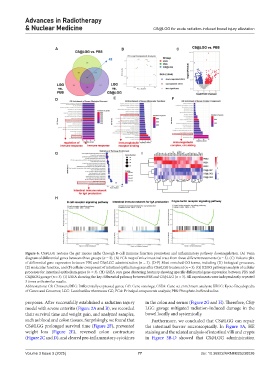
            Figure 6. CS@LGG restores the gut mucus niche through B-cell immune function promotion and inflammatory pathway downregulation. (A) Venn
            diagram of differential genes between three groups (n = 3). (B) PCA map of mice intestinal tract from three different treatments (n = 3). (C) Volcano plot
            of differential gene expression between PBS and CS@LGG administration (n = 3). (D-F) Most enriched GO terms, including (D) biological processes,
            (E) molecular function, and (F) cellular component of intestinal epithelium genes after CS@LGG treatment (n = 3). (G) KEGG pathways analysis of cellular
            processes for intestinal epithelium genes (n = 3). (H) GSEA core gene clustering heatmap showing specific differential gene expression between PBS and
            CS@LGG gavage (n = 3). (I) GSEA showing the key differential pathway between PBS and CS@LGG (n = 3). All experiments were independently repeated
            3 times with similar results.
            Abbreviations: CS: Chitosan; DEG: Differentially expressed genes; GO: Gene ontology; GSEA: Gene set enrichment analysis; KEGG: Kyoto Encyclopedia
            of Genes and Genomes; LGG: Lactobacillus rhamnosus GG; PCA: Principal components analysis; PBS: Phosphate-buffered saline.

            purposes. After successfully established a radiation injury   in the colon and serum (Figure 2G and H). Therefore, CS@
            model with severe enteritis (Figure 2A and B), we recorded   LGG  gavage mitigated  radiation-induced damage in  the
            their survival time and weight gain, and analyzed samples,   bowel locally and systemically.
            such as blood and colon tissues. Surprisingly, we found that   Furthermore, we concluded that CS@LGG can repair
            CS@LGG prolonged survival time (Figure 2F), prevented   the intestinal barrier microscopically. In  Figure  3A, HE
            weight loss  (Figure  2E), reversed colon contracture   staining and the related analysis of intestinal villi and crypts
            (Figure 2C and D), and cleared pro-inflammatory cytokines   in  Figure  3B-D showed that CS@LGG administration


            Volume 3 Issue 3 (2025)                         77                        doi: 10.36922/ARNM025230026

