


Page 83 - ARNM-3-3
P. 83
Advances in Radiotherapy
            & Nuclear Medicine                                    CS@LGG for acute radiation-induced bowel injury alleviation


                         A                                   B


                                                           C                    D


                         E                           F                      G


                         H


                         I                                        J


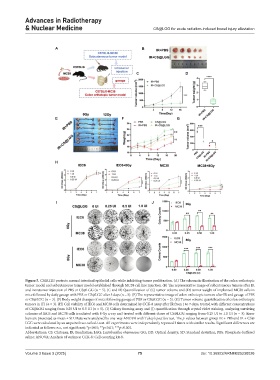
            Figure 5. CS@LGG protects normal intestinal epithelial cells while inhibiting tumor proliferation. (A) The schematic illustration of the colon orthotopic
            tumor model and subcutaneous tumor model established through MC38 cell line injection. (B) The representative image of subcutaneous tumors after IR
            and intratumor injection of PBS or CS@LGG (n = 5). (C and D) Quantification of (C) tumor volume and (D) tumor weight of implanted MC38 cells in
            mice followed by daily gavage with PBS or CS@LGG after 5 days (n = 5). (E) The representative image of colon orthotopic tumors after IR and gavage of PBS
            or CS@LGG (n = 3). (F) Body weight changes of mice following gavage of PBS or CS@LGG (n = 3). (G) Tumor volume quantification of colon orthotopic
            tumors in (F) (n = 3). (H) Cell viability of IEC6 and MC38 cells determined by CCK-8 assay after IR from 1 to 7 days, treated with different concentrations
            of CS@LGG ranging from 0.25 UI to 0.5 UI (n = 5). (I) Colony forming assay and (J) quantification through crystal violet staining, analyzing surviving
            colonies of IEC6 and MC38 cells irradiated with 8 Gy x-ray and treated with different doses of CS@LGG ranging from 0.25 UI to 1.0 UI (n = 3). Error
            bars are presented as mean ± SD. Data were analyzed by one-way ANOVA with Tukey’s post hoc test. The p-values between group IR + PBS and IR + CS@
            LGG were calculated by an unpaired two-tailed t-test. All experiments were independently repeated 3 times with similar results. Significant differences are
            indicated as follows: n.s., not significant; *p<0.05; **p<0.01; ***p<0.001.
            Abbreviations: CS: Chitosan; IR: Irradiation; LGG: Lactobacillus rhamnosus GG; OD: Optical density; SD: Standard deviation; PBS: Phosphate-buffered
            saline; ANOVA: Analysis of variance; CCK-8: Cell counting kit-8.


            Volume 3 Issue 3 (2025)                         75                        doi: 10.36922/ARNM025230026

