


Page 73 - DP-2-3
P. 73
Design+                                                             Designing CO  offsets w/personal identity
                                                                                          2


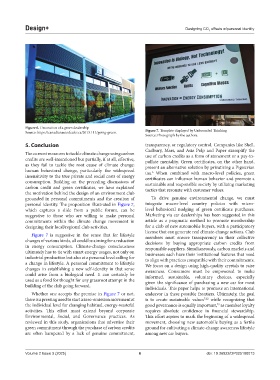
            Figure 6. Decoration of a green dealership
            Source: https://canadianautodealer.ca/2013 / 11/going-green.  Figure 7. Template displayed by Unbounded Thinking
                                                               Source: Photograph by the authors.

            5. Conclusion                                      transparency, or regulatory control. Companies like Shell,
                                                               Cadbury, Mars, and Asia Pulp and Paper exemplify the
            The current measures to tackle climate change using carbon   use of carbon credits as a form of atonement or a pay-to-
            credits are well-intentioned but partially, if at all, effective,   pollute mentality. Green certificates, on the other hand,
            as they fail to tackle the root cause of climate change:   present an alternative solution by privatizing a Pigouvian
            human behavioral change, particularly the widespread   tax.  When combined with  macro-level  policies, green
                                                                  6
            insensitivity to the true private and social costs of energy   certificates can influence human behavior and promote a
            consumption. Building on the preceding discussions of   sustainable and responsible society by utilizing marketing
            carbon credit and green certificates, we have explained   tactics that resonate with customer values.
            the motivation behind the design of an environment club
            grounded in personal commitments and the creation of   To drive genuine environmental change, we must
            personal identity. The proposition illustrated in Figure 7,   integrate  macro-level  country  policies  with  micro-
            which  captures  a  slide  from  a  public  forum,  can  be   level behavioral nudging of green certificate purchases.
            suggestive to those who are willing to make personal   Marketing via car dealerships has been suggested in this
            commitments within the climate change movement in   article as a pragmatic method to promote membership
            designing their local/regional club activities.    for a club of new automobile buyers, with a participatory
                                                               license that can generate real climate-change actions. Club
              Figure  7 is suggestive in the sense that for lifestyle   members must ensure transparency in their collective
            changes of various kinds, all could be aiming for a reduction   decisions  by  buying  appropriate  carbon  credits  from
            in energy consumption. Climate-change consciousness   responsible suppliers. Simultaneously, carbon markets and
            ultimately has to tie with smart energy usages, not only on   businesses each have their institutional features that need
            industrial production but also at a personal level calling for   to align with practices compatible with their commitments.
            a change in lifestyle. A personal commitment to lifestyle   We focus on a design using high-quality crystals to raise
            changes in establishing a new self-identity in that sense   awareness. Consumers must be empowered to make
            could arise from a biological need. It can certainly be   informed, sustainable, voluntary choices,  especially
            used as a food for thought for any grassroot attempt in the   given the significance of purchasing a new car for most
            building of the club going forward.                individuals. This paper helps to promote an international
              Whether one accepts the premise in Figure 7 or not,   endeavor in these possible frontiers. Ultimately, the goal
            there is a pressing need to start a zero-emission movement at   is to create sustainable values  while recognizing that
                                                                                        7,22
            the individual level for changing habitual, energy-wasteful   good governance is equally important,  as member loyalty
                                                                                             23
            activities. This effort must extend beyond corporate   requires absolute confidence in financial stewardship.
            Environmental, Social, and Governance practices. As   This effort aspires to mark the beginning of a widespread
            reviewed in this study, organizations that advertise their   movement, choosing new automobile buying as a fertile
            green commitment through the purchase of carbon credits   ground for cultivating a climate-change awareness lifestyle
            are often hampered by a lack of genuine commitment,   among new car buyers.


            Volume 2 Issue 3 (2025)                         6                            doi: 10.36922/DP025100013

