


Page 62 - GPD-2-4
P. 62
Gene & Protein in Disease                                             K fragment for resistance gene hunting


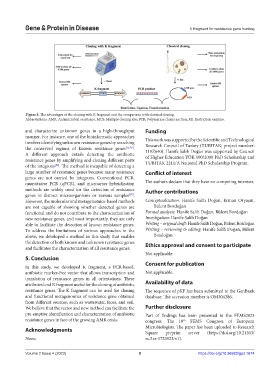
            Figure 8. The advantages of the cloning with K fragment and the comparison with classical cloning.
            Abbreviations: AMR: Antimicrobial resistance; MCS: Multiple cloning site; PCR: Polymerase chain reaction; RE: Restriction enzyme.

            and characterize unknown  genes in  a high-throughput   Funding
            manner. For instance, one of the bioinformatic approaches   This work was supported by the Scientific and Technological
            involves identifying unknown resistance genes by searching
            the conserved regions of known resistance genes [25,26] .   Research Council of Turkey (TUBITAK; project number:
                                                               119Z640). Hanife Salih Doğan was supported by Council
            A  different approach entails detecting the antibiotic   of Higher Education YÖK 100/2000 PhD Scholarship and
            resistance genes by amplifying and cloning different parts   TUBITAK 2211/A National PhD Scholarship Program.
            of the integrons . The method is incapable of detecting a
                        [27]
            large number of resistance genes because many resistance   Conflict of interest
            genes are not carried by integrons. Conventional PCR,
            quantitative PCR (qPCR), and microarray hybridization   The authors declare that they have no competing interests.
            methods are widely used for the detection of resistance   Author contributions
                                                        [28]
            genes in distinct microorganisms or various samples .
            However, the molecular and metagenomics-based methods   Conceptualization: Hanife Salih Doğan, Erman Oryaşın,
            are not capable of showing whether detected genes are   Bülent Bozdoğan
            functional and do not contribute to the characterization of   Formal analysis: Hanife Salih Doğan, Bülent Bozdoğan
            new resistance genes, and most importantly, they are only   Investigation: Hanife Salih Doğan
            able to facilitate the detection of known resistance genes.   Writing – original draft: Hanife Salih Doğan, Bülent Bozdoğan
            To address the limitations of various approaches in the   Writing – reviewing & editing: Hanife Salih Doğan, Bülent
            above, we developed a method in this study that enables   Bozdoğan
            the detection of both known and unknown resistance genes   Ethics approval and consent to participate
            and facilitates the characterization of all resistance genes.
                                                               Not applicable.
            5. Conclusion
                                                               Consent for publication
            In this study, we developed K fragment, a PCR-based,
            antibiotic marker-free vector that allows transcription and   Not applicable.
            translation of resistance genes in all orientations. These
            attributes lend K fragment useful for the cloning of antibiotic   Availability of data
            resistance genes. The K fragment can be used for cloning   The sequence of pKF has been submitted to the GenBank
            and functional metagenomics of resistance gene obtained   database. The accession number is OM304286.
            from different sources, such as wastewater, feces, and soil.
            We believe that the vector and new method can facilitate the   Further disclosure
            pre-emptive identification and characterization of antibiotic   Part of findings has been presented in the FEMS2023
            resistance genes in face of the growing AMR crisis.  congress: The 10   FEMS Congress of European
                                                                               th
            Acknowledgments                                    Microbiologists. The paper has been uploaded to Research
                                                               Square  preprint  server  (https://doi.org/10.21203/
            None.                                              rs.3.rs-1723923/v1).


            Volume 2 Issue 4 (2023)                         8                        https://doi.org/10.36922/gpd.1674

