


Page 12 - GTM-1-1
P. 12
Global Translational Medicine                                       ZnO NPs induce apoptosis in MG63 cells


                         A                                     B


                                          C


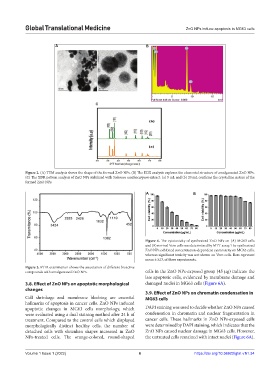
            Figure 2. (A) TEM analysis shows the shape of the formed ZnO NPs. (B) The EDX analysis explores the elemental structure of amalgamated ZnO NPs.
            (C) The XDR pattern analysis of ZnO NPs stabilized with Solanum xanthocarpum extract: (a) 5 mL and (b) 20 mL confirms the crystalline nature of the
            formed ZnO NPs.

                                                               A                   B


                                                               Figure 4. The cytotoxicity of synthesized ZnO NPs on (A) MG63 cells
                                                               and (B) normal Vero cells was determined by MTT assay. The synthesized
                                                               ZnO NPs exhibited concentration-dependent cytotoxicity on MG63 cells,
                                                               whereas significant toxicity was not shown on Vero cells. Bars represent
                                                               mean ± S.D. of three experiments.
            Figure 3. FTIR examination shows the association of different bioactive
            compounds with amalgamated ZnO NPs.                cells in the ZnO NPs-exposed group (45 µg) indicate the
                                                               late apoptotic cells, evidenced by membrane damage and
            3.8. Effect of ZnO NPs on apoptotic morphological   damaged nuclei in MG63 cells (Figure 6A).
            changes
                                                               3.9. Effect of ZnO NPs on chromatin condensation in
            Cell shrinkage and membrane bleebing are essential   MG63 cells
            hallmarks of apoptosis in cancer cells. ZnO NPs induced
            apoptotic changes in MG63  cells morphology, which   DAPI staining was used to decide whether ZnO NPs caused
            were evaluated using a dual staining method after 24 h of   condensation in chromatin and nuclear fragmentation in
            treatment. Compared to the control cells which displayed   cancer cells. These hallmarks in ZnO NPs-exposed cells
            morphologically  distinct healthy cells, the  number of   were determined by DAPI staining, which indicates that the
            detached cells with shrunken shapes increased in ZnO   ZnO NPs caused nuclear damage in MG63 cells. However,
            NPs-treated cells. The  orange-colored,  round-shaped   the untreated cells remained with intact nuclei (Figure 6A).


            Volume 1 Issue 1 (2022)                         6                       https://doi.org/10.36922/gtm.v1i1.34

