


Page 51 - GTM-1-1
P. 51
Global Translational Medicine                                 Bioinformatics analysis of dilated cardiomyopathy


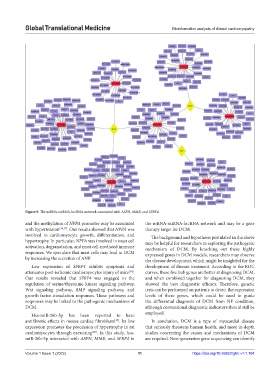
            Figure 9. The mRNA-miRNA-lncRNA network associated with ASPN, MME, and SFRP4.
            and the methylation of NPPA promoter may be associated   the mRNA-miRNA-lncRNA network and may be a gene
            with hypertension [36,37] . Our results showed that NPPA was   therapy target for DCM.
            involved in cardiomyocyte growth, differentiation, and   The background and hypothesis postulated in the above
            hypertrophy. In particular, NPPA was involved in mast cell   may be helpful for researchers in exploring the pathogenic
            activation, degranulation, and mast cell-mediated immune   mechanism of DCM. By knocking out these highly
            responses. We speculate that mast cells may lead to DCM   expressed genes in DCM models, researchers may observe
            by increasing the secretion of ANP.                the disease development, which might be insightful for the
              Low  expression  of  SFRP4  inhibits  apoptosis  and   development of disease treatment. According to the ROC
            attenuates post-ischemic cardiomyocytes injury of mice .   curves, these five hub genes are better at diagnosing DCM,
                                                        [38]
            Our results revealed that  SFRP4 was engaged in the   and when combined together for diagnosing DCM, they
            regulation of serine/threonine kinase signaling pathway,   showed  the best diagnostic efficacy. Therefore, genetic
            Wnt  signaling  pathway,  BMP  signaling pathway, and   tests can be performed on patients to detect the expression
            growth factor stimulation responses. These pathways and   levels of these genes, which could be used to guide
            responses may be linked to the pathogenic mechanisms of   the differential diagnosis of DCM from NF condition,
            DCM.                                               although conventional diagnostic indicators should still be
              Hsa-miR-26b-5p has been reported to have         employed.
            antifibrotic effects in mouse cardiac fibroblasts . Its low   In conclusion, DCM is a type of myocardial disease
                                                  [39]
            expression promotes the procession of hypertrophy in rat   that seriously threatens human health, and more in-depth
                                        [40]
            cardiomyocytes through exercising . In this study, hsa-  studies concerning the causes and mechanisms of DCM
            miR-26b-5p interacted with ASPN, MME, and SFRP4 in   are required. Next-generation gene sequencing can identify

            Volume 1 Issue 1 (2022)                         11                     https://doi.org/10.36922/gtm.v1i1.104

