


Page 35 - GTM-1-2
P. 35
Global Translational Medicine                             Proteomic analysis of heart in metabolic cardiomyopathy


                         A                                  B


                         C


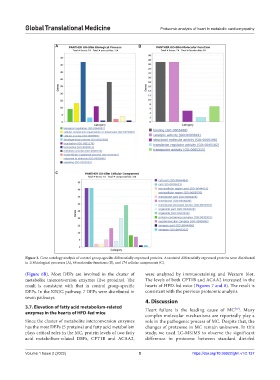
            Figure 3. Gene ontology analysis of control group-specific differentially expressed proteins. Annotated differentially expressed proteins were distributed
            in 114 biological processes (A), 68 molecular functions (B), and 174 cellular components (C).

            (Figure  6B). Most DEPs are involved in the cluster of   were analyzed by immunostaining and Western blot.
            metabolite interconversion enzymes (five proteins). The   The levels of both CPT1B and ACAA2 increased in the
            result is consistent with that in control group-specific   hearts of HFD-fed mice (Figures 7 and 8). The result is
            DEPs. In the KEGG pathway, 7 DEPs were distributed in   consistent with the previous proteomic analysis.
            seven pathways.
                                                               4. Discussion
            3.7. Elevation of fatty acid metabolism-related    Heart failure is the leading cause of MC [17] . Many
            enzymes in the hearts of HFD-fed mice
                                                               complex molecular mechanisms are reportedly play a
            Since the cluster of metabolite interconversion enzymes   role in the pathogenic process of MC. Despite that, the
            has the most DEPs (5 proteins) and fatty acid metabolism   changes of proteome in MC remain unknown. In this
            plays critical roles in the MC, protein levels of two fatty   study, we used LC-MS/MS to observe the significant
            acid  metabolism-related  DEPs,  CPT1B  and  ACAA2,   difference  in  proteome  between  standard  diet-fed


            Volume 1 Issue 2 (2022)                         5                      https://doi.org/10.36922/gtm.v1i2.137

