


Page 30 - IMO-2-2
P. 30
Innovative Medicines & Omics                                           Herbal remedies for diabetes mellitus


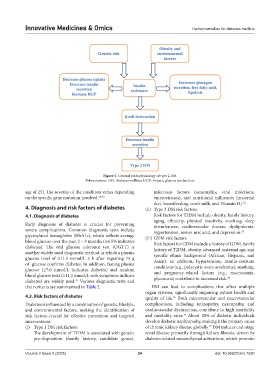
                                             Figure 3. General pathophysiology of type 2 DM
                                     Abbreviations: DM: Diabetes mellitus; HGP: Hepatic glucose production.

            age of 25). The severity of the condition varies depending   infectious factors (seasonality, viral infections,
            on the specific gene mutation involved. 29,30         enteroviruses), and nutritional influences (maternal
                                                                  diet, breastfeeding, cow’s milk, and Vitamin D). 32
            4. Diagnosis and risk factors of diabetes          (ii)  Type 2 DM risk factors:

            4.1. Diagnosis of diabetes                            Risk factors for T2DM include obesity, family history,
                                                                  aging, ethnicity, physical inactivity, smoking, sleep
            Early diagnosis of diabetes is crucial for preventing   disturbances, cardiovascular disease, dyslipidemia,
            severe complications. Common diagnostic tests include   hypertension, serum uric acid, and depression. 33
            glycosylated hemoglobin (HbA1c), which reflects average   (iii) GDM risk factors
            blood glucose over the past 2 – 3 months (≥6.5% indicates      Risk factors for GDM include a history of GDM, family
            diabetes).  The  oral  glucose  tolerance  test  (OGTT)  is   history of T2DM, obesity, advanced maternal age, and
            another widely used diagnostic method in which a plasma   specific  ethnic  background  (African,  Hispanic,  and
            glucose level of ≥11.1 mmol/L 2  h after ingesting 75  g   Asian). In addition, hypertension, insulin-resistant
            of  glucose confirms diabetes. In addition, fasting plasma
            glucose (≥7.0 mmol/L indicates diabetes) and random   conditions (e.g., polycystic ovary syndrome), smoking,
                                                                  and pregnancy-related factors (e.g., macrosomia,
            blood glucose tests (≥11.1 mmol/L with symptoms indicate   glycosuria) contribute to increased risk. 34
            diabetes)  are  widely  used.   Various  diagnostic  tests  and
                                 31
            their criteria are summarized in Table 2.            DM can lead to complications that affect multiple
                                                               organ systems, significantly impairing patient health and
            4.2. Risk factors of diabetes                      quality of life.  Both microvascular and macrovascular
                                                                           35
            Diabetes is influenced by a combination of genetic, lifestyle,   complications, including retinopathy, neuropathy, and
            and environmental factors, making the identification of   cardiovascular dysfunction, contribute to high morbidity
            risk factors crucial for effective prevention and targeted   and mortality rates.  About 40% of diabetic individuals
                                                                               36
            interventions.                                     develop diabetic nephropathy, making it the primary cause
                                                                                          37
            (i)  Type 1 DM risk factors:                       of chronic kidney disease globally.  DM induces end-stage
               The development of T1DM is associated with genetic   renal disease primarily through kidney fibrosis, driven by
               pre-disposition (family history, candidate genes),   diabetes-related mesenchymal activations, which promote


            Volume 2 Issue 2 (2025)                         24                               doi: 10.36922/imo.7520

