


Page 83 - MI-2-3
P. 83
Microbes & Immunity                                              Carotene and immunity to COVID-19 vaccine


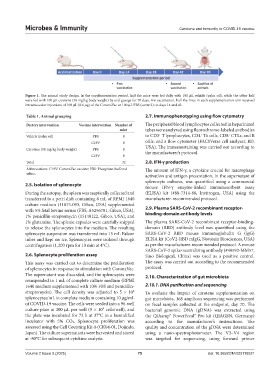
            Figure 1. The animal study design. In the supplementation period, half the mice were fed daily with 100 µL vehicle (palm oil), while the other half
            were fed with 100 µL carotene (50 mg/kg body weight) by oral gavage for 70 days. For vaccination, half the mice in each supplementation arm received
            intramuscular injections of 100 µL (0.6 µg) of the CoronaVac or 100 µL PBS (control) on days 14 and 42.

            Table 1. Animal grouping                           2.7. Immunophenotyping using flow cytometry
            Dietary intervention   Vaccine intervention Number of   The peripheral blood lymphocytes collected in heparinized
                                                    mice       tubes were analyzed using fluorochrome-labeled antibodies
                                                                                                  +
                                                                                      +
                                                                     +
            Vehicle (palm oil)          PBS          8         to CD3  T lymphocytes, CD4  Th cells, CD8  CTLs, and B
                                        C19V         8         cells, and a flow cytometer (FACSVerse cell analyzer, BD,
            Carotene (50 mg/kg body weight)  PBS     8         USA). The immunostaining was carried out according to
                                                               the manufacturer’s protocol.
                                        C19V         8
            Total                                    32        2.8. IFN-γ production
            Abbreviations: C19V: CoronaVac vaccine; PBS: Phosphate-buffered   The amount of IFN-γ, a cytokine crucial for macrophage
            saline.
                                                               activation and antigen presentation, in the supernatant of
                                                               splenocyte cultures, was quantified using a commercial
            2.5. Isolation of splenocyte                       mouse IFN-γ enzyme-linked immunosorbent assay
            During the autopsy, the spleen was aseptically collected and   (ELISA) kit (#88-7314-88, Invitrogen, USA) using the
            transferred to a petri dish containing 6 mL of RPMI 1640   manufacturer-recommended protocol.
            culture medium (11875-093, Gibco, USA) supplemented
            with 5% fetal bovine serum (FBS; A5256701, Gibco, USA),   2.9. Plasma SARS-CoV-2 recombinant receptor-
            1% penicillin-streptomycin (15140122, Gibco, USA), and   binding-domain antibody levels
            1% glutamine. The splenic capsules were carefully snipped   The plasma SARS-CoV-2 recombinant receptor-binding-
            to release the splenocytes into the medium. The resulting   domain (RBD) antibody level was quantified using the
            splenocyte suspension was transferred into 15 mL Falcon   SARS-CoV-2  RBD  mouse  immunoglobulin  G  (IgG)
            tubes and kept on ice. Splenocytes were isolated through   ELISA kit (CoV2-RBD mIgG, Novatein Biosciences, USA)
            centrifugation (1,200 rpm for 10 min at 4°C).      as per the manufacturer-recommended protocol. A mouse
                                                               SARS-CoV-2 spike-neutralizing antibody (#40592-MM57,
            2.6. Splenocyte proliferation assay                Sino Biological, China) was used as a positive control.
            This assay was carried out to determine the proliferation   The assay was carried out according to the recommended
            of splenocytes in response to stimulation with CoronaVac.   protocol.
            The supernatant was discarded, and the splenocytes were   2.10. Characterization of gut microbiota
            resuspended in 1 mL of complete culture medium (RPMI
            1640 medium supplemented with 10% FBS and penicillin-  2.10.1. DNA purification and sequencing
            streptomycin). The cell density was adjusted to 5 × 10⁴   To evaluate the impact of carotene supplementation on
            splenocytes/mL in complete medium containing 10 µg/mL   gut microbiota, 16S amplicon sequencing was performed
            of COVID-19 vaccine. The cells were seeded into a 96-well   on fecal samples collected at the endpoint, day 70. The
            culture plate at 200 µL per well (5 × 10³ cells/well), and   bacterial  genomic DNA  (gDNA)  was extracted  using
            the plate was incubated for 72 h at 37°C in a humidified   the QIAamp® PowerFecal® Pro kit (QIAGEN, Germany)
            incubator with 5% CO₂. Splenocyte proliferation was   according to the manufacturer’s instructions. The
            assessed using the Cell Counting Kit-8 (CK04-01, Dojindo,   quality and concentration of the gDNA were determined
            Japan). The culture supernatants were harvested and stored   using a nano-spectrophotometer. The V3–V4 region
            at -80°C for subsequent cytokine analysis.         was targeted for sequencing, using forward primer


            Volume 2 Issue 3 (2025)                         75                           doi: 10.36922/MI025110021

