


Page 96 - OR-1-2
P. 96
A                                                   B                     D


             C


              E                               F                                           H


                                                                                          I


                                              G


                                                                                          J


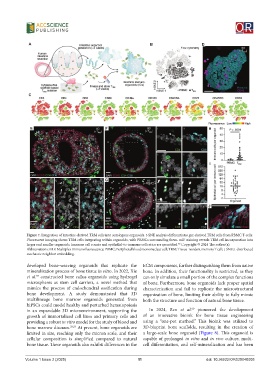
            Figure 7. Integration of intestine-derived TRM cells into autologous organoids. t-SNE analysis differentiates gut-derived TRM cells from PBMC T-cells.
            Fluorescent imaging shows TRM cells integrating within organoids, with PBMCs surrounding them. mIF staining reveals TRM cell incorporation into
            larger and smaller organoids. Immune cell counts and epithelial-to-immune cell ratios are quantified.  Copyright © 2024 The author(s).
                                                                             46
            Abbreviations: mIF: Multiplex immunofluorescence; PBMC: Peripheral blood mononuclear cell; TRM: Tissue-resident memory T cell; t-SNE: t-distributed
            stochastic neighbor embedding.

            developed bone-weaving organoids that replicate the   ECM components, further distinguishing them from native
            mineralization process of bone tissue in vitro. In 2022, Xie   bone. In addition, their functionality is restricted, as they
            et al.  constructed bone callus organoids using hydrogel   can only simulate a small portion of the complex functions
                57
            microspheres as stem cell carriers, a novel method that   of bone. Furthermore, bone organoids lack proper spatial
            mimics the process of endochondral ossification during   characterization and fail to replicate the microstructural
            bone development. A  study demonstrated that 3D   organization of bone, limiting their ability to fully mimic
            multilineage bone marrow organoids generated from   both the structure and function of natural bone tissue.
            hiPSCs could model healthy and perturbed hematopoiesis
                                                                                   60
            in an expandable 3D microenvironment, supporting the   In 2024, Ren  et al.  pioneered the development
            growth of immortalized cell lines and primary cells and   of an innovative bioink for bone tissue engineering
            providing a robust in vitro model for the study of blood and   using a “one-pot method.” This bioink was utilized to
            bone marrow diseases. 58,59  At present, bone organoids are   3D-bioprint bone scaffolds, resulting in the creation of
            limited in size, reaching only the micron scale, and their   a large-scale bone organoid (Figure  8). This organoid is
            cellular composition is simplified compared to natural   capable of prolonged in vitro and  in vivo  culture, multi-
            bone tissue. These organoids also exhibit differences in the   cell differentiation, and self-mineralization and has been


            Volume 1 Issue 2 (2025)                         11                           doi: 10.36922/OR025040005

