


Page 97 - AIH-1-2
P. 97
Artificial Intelligence in Health                               Combating XDR-bacteria as we approach 2050


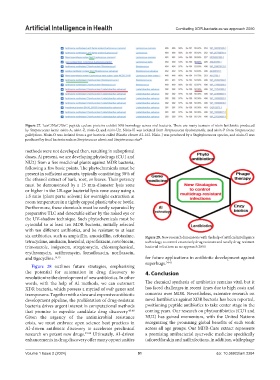
            Figure 27. LanC/NisC/SlvC peptide cyclase proteins exhibit 50% homology across oral bacteria. There are many isomers of nisin lantibiotic produced
            by Streptococcus lactis: nisin-A, nisin-Z, nisin-Q, and nisin-U2. Nisin-H was isolated from Streptococcus hyointestnalis, and nisin-P from Streptococcus
            gallolyticus. Nisin-O was isolated from a gut bacteria called Blautia obeum A2-162. Nisin-J was produced by a Staphylococcus species, and nisin-G was
            produced by fecal bacteria such as Streptococcus uberis and Streptococcus sius 52

            methods were not developed then, resulting in suboptimal
            doses. At present, we are developing phytodrugs (CU1 and
            NU2) from a few medicinal plants against MDR bacteria,
            following a few basic points. The phytochemicals must be
            present in sufficient amounts, typically constituting 30% of
            the ethanol extract of bark, root, or leaves. Their potency
            must  be  demonstrated by  a  15 mm-diameter  lysis  zone
            or higher in the LB-agar bacterial lysis zone assay using a
            1:5 ratio (plant parts: solvent) for overnight extraction at
            room temperature in a tightly capped plastic tube or bottle.
            Furthermore, these chemicals must be easily separated by
            preparative TLC and detectable either by the naked eye or
            the UV-shadow technique. Such phytochemicals must be
            cytocidal to at least ten MDR bacteria, initially selected
            with ten different antibiotics, and be resistant to at least
            six antibiotics, such as ampicillin, amoxicillin, cefotaxime,   Figure 28. New research dimensions with the help of artificial intelligence
            tetracycline, amikacin, linezolid, ciprofloxacin, novobiocin,   technology to control extensively drug resistant and totally drug-resistant
            trimoxazole,  imipenem,  streptomycin,  chloramphenicol,   bacterial infections as we approach 2050
            erythromycin, azithromycin, lomofloxacin, norfloxacin,
            and tigecycline. 14,15                             for future applications in antibiotic development against
                                                               superbugs. 54-61
              Figure  28  outlines future strategies, emphasizing
            the  potential  for  automation  in  drug  discovery  to   4. Conclusion
            revolutionize the development of new antibiotics. In other
            words, with the help of AI methods, we can outsmart   The chemical synthesis of antibiotics remains vital, but it
            XDR bacteria, which possess a myriad of mdr genes and   has faced challenges in recent times due to high costs and
            transposons. Together with a slow and expensive antibiotic   concerns over MDR. Nevertheless, extensive research on
            development pipeline, the proliferation of drug-resistant   novel lantibiotics against XDR bacteria has been reported,
            bacteria drives urgent interest in computational methods   positioning peptide antibiotics to take center stage in the
            that promise to expedite candidate drug discovery. 45.48    coming years. Our research on phytoantibiotics (CU1 and
            Given the urgency of the antimicrobial resistance   NU2) has gained momentum, with the United  Nations
            crisis, we must embrace open science best practices in   recognizing the promising global benefits of such work
            AI-driven antibiotic discovery to accelerate preclinical   across all age groups. Our MDR-Cure extract represents
            research on potent new drugs. 49-53  Ultimately, AI-driven   a promising antibacterial ayurvedic medicine specifically
            enhancements in drug discovery offer many opportunities   tailored for skin and nail infections. In addition, while phage


            Volume 1 Issue 2 (2024)                         91                               doi: 10.36922/aih.2284

