


Page 207 - AJWEP-22-6
P. 207
Performance of Kalobe waste ponds, Mbeya

                in the study’s conclusions. Samples were collected in   The  parameters  measured  included  BOD,  5-day
                sterilized  high-density  polyethylene  bottles,  stored  in   (BOD ),  which  indicates  the  concentration  of
                                                                          5
                portable coolers at 4°C, and transported within 2 h to   biodegradable organic matter and serves as a key measure
                the Mbeya Water Quality Laboratory for analysis. Field   of wastewater strength and treatment efficiency; COD,
                parameters  such as temperature, odor, color, and the   representing the total  quantity of both biodegradable
                presence of scum were also documented onsite using   and non-biodegradable  organic compounds;  TSS,
                standardized  visual  indicators.   This strategy  ensured   reflecting particulate matter that can settle or be filtered,
                                           5
                representative and reliable data for calculating removal   and therefore indicating  sedimentation  performance;
                efficiencies  and  understanding  temporal  and  spatial   NH –N, a primary form of nitrogen relevant for assessing
                                                                       3
                pollutant dynamics within the WSP system.           nitrification potential and nutrient removal; NO ⁻–N, an
                                                                                                              2
                                                                    intermediate  compound  in the  nitrogen  cycle,  whose
                2.2.2. Parameters measured                          presence can signal incomplete nitrification; and TDS,
                The  performance  of  the  Kalobe  WSP  system  was   which  indicate  the  ionic  content  of wastewater  and
                assessed  using  six  key  physicochemical  parameters,   may  reflect  industrial  salt  contributions  or  mineral
                selected  based  on their  regulatory  importance  and   solubilization.
                relevance  to both domestic and industrial wastewater   The selection  of these parameters was based on
                monitoring.  These  parameters  provide  insight  into   standard wastewater treatment performance indicators
                organic  load,  solids  content,  and  nutrient  removal   outlined by APHA.  and in accordance with Tanzanian
                                                                                     17
                efficiency across the pond system.                  environmental   regulations. 18  Furthermore,  these
                                                                    parameters are widely used in evaluating the efficiency
                A                       B                           of  WSPs in tropical environments. 6,16  All  parameters
                                                                    were analyzed at each of the four designated sampling
                                                                    points—raw influent, anaerobic pond outlet, facultative
                                                                    pond  outlet,  and  final  maturation  pond  outlet.  This
                                                                    approach enabled the calculation of both stage-wise and
                                                                    overall removal efficiencies.

                         C                                          2.2.3. Instrumentation and laboratory methods
                                                                    The physicochemical  parameters  (Table  1) were
                                                                    analyzed  using standard  procedures  outlined  in  the
                                                                    Standard  Methods  for  the  Examination  of  Water  and
                                                                    Wastewater.  Analyses were conducted at the Mbeya
                                                                               17
                                                                    Zonal  Water  Quality  Laboratory  under  controlled
                                                                    conditions, immediately after sample delivery, to ensure
                                                                    accuracy and prevent sample deterioration.
                                                                       All  equipment  was calibrated  before  use using
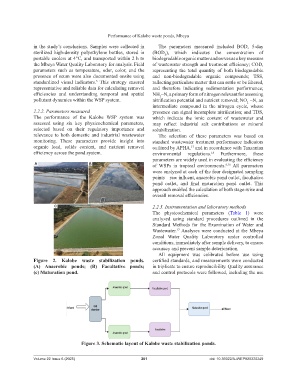
                Figure  2.  Kalobe  waste stabilization  ponds.     certified standards, and measurements were conducted
                (A)  Anaerobic ponds;  (B) Facultative ponds;       in triplicate to ensure reproducibility. Quality assurance
                (c) Maturation pond.                                and control protocols were followed, including the use


                                     Figure 3. Schematic layout of Kalobe waste stabilization ponds.


                Volume 22 Issue 6 (2025)                       201                           doi: 10.36922/AJWEP025320249

