


Page 87 - AN-2-2
P. 87
Advanced Neurology                                                        Brain AT -R and kidney crosstalk
                                                                                            1

            stainless steel screw was anchored to the skull. Cannulae   or artificial cerebral fluid (ACF), inserting a stainless steel
            were placed 2  mm above the final place of injection.   injection cannula (30 gauge) into the guide cannula. The
            According to Paxinos and Watson Atlas , coordinates for   cannula was attached through a polyethylene catheter
                                           [26]
            lateral ventricle concerning bregma were: Anteroposterior   (P20)  to  a  25  µL  microsyringe  (Hamilton).  Volumes  of
            (AP) = –0.92  mm, L = ±1.5  mm, dorsoventral       1  µL of ACF or Los solution were gradually injected over a
            (DV) = –6.8 mm. The cannulae were implanted in the right   1-min period into the left and right sides using an infusion
            and left sides of the lateral ventricle.           bomb (HARVARD, model 22). The injection cannula was
              In the anesthetized animals, the surgical denervation   left in place for an additional 20 s to allow complete liquid
            was made under a magnifier. First, the right kidney was   diffusion [23,31,32] .
            exteriorized, the lipid and connective tissue from vessels   2.6. Biochemistry
            at the renal pelvis level was separated, and the nerve was
            dissected, leaving the renal artery and vein intact. The   2.6.1. Urine collection and blood samples
            denervation phenol 10% (neurolytic) was applied to make   The daily urine production was collected and registered,
            it more accurate. The kidney was introduced, and the same   and 12 h of urine production was collected after Los/ACF
            procedure was performed in the left kidney. Finally, the   injection and centrifuged at 10,000 G for 10  min. The
            surgery was finished with muscle and skin sutures [27-30] . The   supernatant was kept at –20°C until analysis.
            sham animals underwent the same procedure until renal
            nerve visualization for each kidney. The renal denervation   At the end of the experiment, blood samples were taken
            was verified in kidney slices with a hematoxylin-eosin stain   from the heart’s left ventricle in anesthetized animals. The
            (Figure 2). Moreover, renal denervation did not affect the   samples were centrifuged at 3000 rpm for 5 min and kept
                                                                    o
            food, sodium, and water intake (Figure 3).         at –80 C until analysis (Figure 1).
            2.5. Losartan cerebral microinjection              2.6.2. Biochemical determinations in urine and plasma

            The animals were placed in metabolic cages from day 1 and   The urinary volume was registered, and the parameters
            were bilaterally administered on day 5 with Los (4 µg/1 µL)   such as creatinine, osmolarity, sodium, and potassium were
                                                               determined. The urine samples were diluted in water 1:20
                                                               and analyzed for creatinine using a modified Jaffe reaction
                                                               under spectrometry at 510  nm. The osmolarity was
                                                               measured  by  an osmometer  3.300 ADVANCE  (System),
                                                               and the ions were measured using a selective electrode.
                                                                 The parameters analyzed in the plasma were: Creatinine,
                                                               sodium potassium, and chlorine. Creatinine was measured
                                                               using  a  modified  Jaffe  reaction.  Briefly,  plasma  samples
                                                               (0.5 mL) were mixed with trichloroacetic acid 5% in equal
                                                               volume and centrifuged at 5000 rpm for 10 min, and the
                                                               ions were measured using a selective electrode.
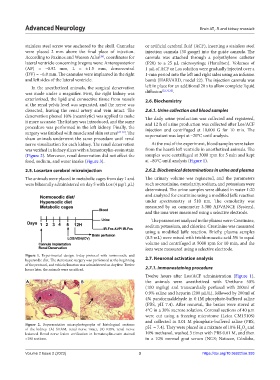
            Figure  1.  Experimental  design:  6-day  protocol  with  normosodic  and
            hypersodic diet. The stereotaxic surgery was performed at the beginning   2.7. Neuronal activation analysis
            of the protocol, and vehicle/losartan was administered on day five. Twelve
            hours later, the animals were sacrificed.          2.7.1. Immunostaining procedure
                                                               Twelve hours after Los/ACF administration (Figure  1),
            A                      B                           the animals were anesthetized with Urethane 50%
                                                               (100  mg/kg) and transcardially perfused with 200ml of
                                                               0.9% saline and heparin (200 µL/L), followed by 200ml of
                                                               4% paraformaldehyde in 0.1M phosphate-buffered saline
                                                               (PBS, pH  7.4). After removal, the brains were stored at
                                                               4°C in a 30% sucrose solution. Coronal sections of 40 µm
                                                               were cut using a freezing microtome (Leica CM1510S)
                                                               and collected in 0.01 M phosphate-buffered saline (PBS,
            Figure  2. Representative microphotographs of histological sections
            of the  kidney. (A)  SHAM, renal nerve intact, (B) RDN,  renal nerve   pH  = 7.4). They were placed in a mixture of 10% H O  and
                                                                                                       2
                                                                                                         2
            lesioned. Renal nerve lesion verification in hematoxylin-eosin stained   10% methanol, washed 3 times with PBS 0.01 M, and then
            ×100 sections.                                     in  a 10%  normal goat  serum  (NGS; Natocor,  Córdoba,
            Volume 2 Issue 2 (2023)                         3                          https://doi.org/10.36922/an.393

