


Page 105 - AN-3-3
P. 105
Advanced Neurology                                                 Proteomic analysis of microglia exosomes


            A                  C                                     D


            B


            E                               F                            G


            H                             I                   J                       K


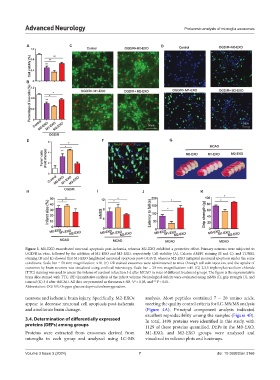
            Figure 3. M1-EXO exacerbated neuronal apoptosis post-ischemia, whereas M2-EXO exhibited a protective effect. Primary neurons were subjected to
            OGD/R in vitro, followed by the addition of M1-EXO and M2-EXO, respectively. Cell viability (A), Calcein AM/PI staining (B and C), and TUNEL
            staining (D and E) showed that M1-EXO heightened neuronal apoptosis post-OGD/R, whereas M2-EXO mitigated neuronal apoptosis under the same
            conditions. Scale bar = 50 nm; magnification: ×10. (F) Dil-stained exosomes were administered to mice through tail vein injection, and the uptake of
            exosomes by brain neurons was visualized using confocal microscopy. Scale bar = 20 nm; magnification: ×40. (G) 2,3,5 triphenyltetrazolium chloride
            (TTC) staining was used to assess the volume of cerebral infarction 3 d after MCAO in mice of different treatment groups. The figure is the representative
            brain slice stained with TTC. (H) Quantitative analysis of the infarct volume. Neurological deficits were evaluated using mNSS (I), grip strength (J), and
            rotarod (K) 3 d after tMCAO. All data are presented as the mean ± SD. *P < 0.05, and **P < 0.01.
            Abbreviation: OGD/R: Oxygen-glucose deprivation/reoxygenation.

            neurons and ischemic brain injury. Specifically, M2-EXOs   analysis. Most peptides contained 7 – 20 amino acids,
            appear to decrease neuronal cell apoptosis post-ischemia   meeting the quality control criteria for LC-MS/MS analysis
            and ameliorate brain damage.                       (Figure  4A). Principal component analysis indicated
                                                               excellent reproducibility among the samples (Figure 4B).
            3.4. Determination of differentially expressed     In total, 1498 proteins were identified in this study, with
            proteins (DEPs) among groups                       1129 of these proteins quantified. DEPs in the M0-EXO,
            Proteins  were extracted  from  exosomes  derived  from   M1-EXO, and M2-EXO groups were analyzed and
            microglia in each group and analyzed using LC-MS   visualized in volcano plots and heatmaps.


            Volume 3 Issue 3 (2024)                         7                                doi: 10.36922/an.3166

