


Page 252 - EJMO-9-2
P. 252
Eurasian Journal of
            Medicine and Oncology                                                   Prognosis of colon adenocarcinoma


                                                               differences in survival outcomes between high- and low-
                                                               risk groups when the eight-mRNA signature for COAD
                                                               patients was used for categorization.
                                                                 Several of the genes in our model have been linked to
                                                               colorectal cancer progression and prognosis. For example,
                                                               acyl-CoA oxidase 1 (ACOX1), the initial rate-limiting
                                                               enzyme in fatty acid  β-oxidation, has been implicated
                                                               in hepatocellular carcinoma development.  ACOX1 is
                                                                                                  16
                                                               a direct target of miR-15b-5p in colorectal cancer, and
                                                               upregulation of miR-15b-5p by ACOX1 overexpression
                                                               prevented colorectal cancer cell motility and invasion.  In
                                                                                                          17
                                                               this study, ACOX1 was found to be a protective prognostic
                                                               variable. The balance of membrane phospholipids
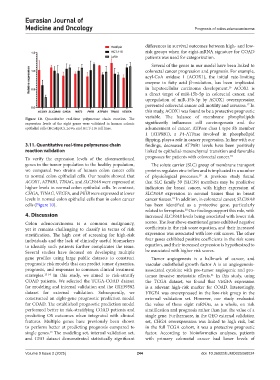
            Figure  10. Quantitative real-time polymerase chain reaction. The
            expression levels of the eight genes  were validated in human colonic   significantly influences cell carcinogenesis and the
            epithelial cells (HCoEpiC), LoVo, and HCT-116 cell lines.   advancement of cancer. ATPase class  I type  8b member
                                                               1 (ATP8B1), a P4-ATPase involved in phospholipid
                                                               flipping, plays a role in cancer progression. In line with our
            3.11. Quantitative real-time polymerase chain      findings, decreased ATP8B1 levels have been positively
            reaction validation                                linked to epithelial-mesenchymal transition and favorable
            To verify the expression levels of the aforementioned   prognoses for patients with colorectal cancer. 18
            genes in the tumor population to the healthy population,   The solute carrier (SLC) group of membrane transport
            we compared two strains of human colon cancer cells   proteins regulates zinc inflow and is implicated in a number
            to normal colon epithelial cells. Our results showed that   of physiological processes.  A previous study found
                                                                                      19
            ACOX1, ATP8B1, TINAG, and SLC39A8 were expressed at   that SLC family 39 (SLC39) members may be predictive
            higher levels in normal colon epithelial cells. In contrast,   indicators for breast cancer, with higher expression of
            CHGA, TINAG, VEGFA, and PKIB were expressed at lower   SLC39A8 expression in normal tissues than in breast
            levels in normal colon epithelial cells than in colon cancer   cancer tissues.  In addition, in colorectal cancer, SLC39A8
                                                                          19
            cells (Figure 10).                                 has been identified as a protective gene, particularly
                                                               related to ferroptosis.  Our findings support this role, with
                                                                                20
            4. Discussion                                      increased SLC39A8 levels being associated with lower risk
            Colon adenocarcinoma is a common malignancy,       scores. The four above-mentioned genes exhibited negative
            yet it remains challenging to classify in terms of risk   coefficients in the risk score equation, and their increased
            stratification. The high cost of screening for high-risk   expression was associated with low-risk scores. The other
            individuals and the lack of clinically useful biomarkers   four genes exhibited positive coefficients in the risk score
            to identify such patients further complicates the issue.   equation, and their increased expression is hypothesized to
            Several  studies have focused on developing  multiple   be associated with higher risk scores.
            gene profiles using large public datasets to construct   Tumor angiogenesis is a hallmark of cancer, and
            prognostic risk models that can predict tumor dynamics,   vascular endothelial growth factor A is an angiogenesis-
            prognosis, and responses to common clinical treatment   associated cytokine with pro-tumor angiogenic and pro-
            strategies. 12-14  In this study, we aimed to risk-stratify   tumor invasive metastatic effects.  In this study, using
                                                                                           21
            COAD patients. We selected the TCGA-COAD dataset   the TCGA dataset, we found that  VEGFA expression
            for modeling and internal validation and the GSE39582   is a relevant high-risk marker for COAD. Interestingly,
            dataset for external validation. Subsequently, we   VEGFA was overexpressed in the low-risk group in the
            constructed an eight-gene prognostic prediction model   external validation set. However, our study evaluated
            for COAD. The established prognostic prediction model   the value of these eight mRNAs, as a whole, on risk
            performed better in risk-stratifying COAD patients and   stratification and prognosis rather than just the value of a
            predicting OS outcomes when integrated with clinical   single gene. Furthermore, in the GEO external validation
            features. Multiple genes have previously been shown   set,  CHGA overexpression was linked to high risk, but
            to perform better at predicting prognosis compared to   in the full TCGA cohort, it was a protective prognostic
                      15
            single genes.  The modeling set, internal validation set,   factor. According to bioinformatics analyses, patients
            and GEO dataset demonstrated statistically significant   with primary colorectal cancer had lower levels of

            Volume 9 Issue 2 (2025)                        244                         doi: 10.36922/EJMO025060024

