


Page 223 - EJMO-9-3
P. 223
Eurasian Journal of
            Medicine and Oncology                                              FN3K–Nrf2 axis inhibition in breast cancer


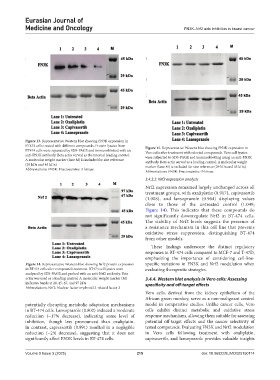
            Figure 13. Representative Western blot showing FN3K expression in
            BT474 cells treated with different compounds. Protein lysates from   Figure 15. Representative Western blot showing FN3K expression in
            BT474 cells were separated by SDS-PAGE and immunoblotted with an   Vero cells after treatment with selected compounds. Vero cell lysates
            anti-FN3K antibody. Beta actin served as the internal loading control.   were subjected to SDS-PAGE and immunoblotting using an anti-FN3K
            A molecular weight marker (lane M) is included for size reference   antibody. Beta actin served as a loading control. A molecular weight
            (29 kDa and 45 kDa)                                marker (lane M) is included for size reference (29 kDa and 45 kDa)
            Abbreviations: FN3K: Fructosamine-3-kinase
                                                               Abbreviations: FN3K: Fructosamine-3-kinase
                                                               3.4.3.2. Nrf2 expression analysis
                                                               Nrf2 expression remained largely unchanged across all
                                                               treatment groups, with oxaliplatin (0.917), capivasertib
                                                               (1.008),  and  lansoprazole  (0.964)  displaying  values
                                                               close to those of the untreated control (1.049;
                                                               Figure  14). This indicates that these compounds do
                                                               not significantly  downregulate Nrf2  in BT-474  cells.
                                                               The stability of Nrf2 levels suggests the presence of
                                                               a resistance mechanism in this cell line that prevents
                                                               oxidative stress suppression, distinguishing BT-474
                                                               from other models.
                                                                 These findings underscore the distinct regulatory
                                                               responses in BT-474 cells compared to MCF-7 and T-47D,
                                                               emphasizing the importance of considering cell-line-
            Figure 14. Representative Western blot showing Nrf2 protein expression   specific variations in FN3K and Nrf2 modulation when
            in BT474 cells after compound treatment. BT474 cell lysates were   evaluating therapeutic strategies.
            analyzed by SDS-PAGE and probed with an anti-Nrf2 antibody. Beta
            actin was used as a loading control. A molecular weight marker (M)   3.4.4. Western blot analysis in Vero cells: Assessing
            indicates bands at 29, 45, 67, and 97 kDa          specificity and off-target effects
            Abbreviations: Nrf2: Nuclear factor erythroid 2-related factor 2
                                                               Vero cells, derived from the kidney epithelium of the
                                                               African green monkey, serve as a non-malignant control
            potentially disrupting metabolic adaptation mechanisms   model  in  comparative  studies.  Unlike  cancer  cells,  Vero
            in BT-474 cells. Lansoprazole (0.802) induced a moderate   cells exhibit distinct metabolic and oxidative stress
            reduction (~17% decrease), indicating some level of   response mechanisms, allowing them suitable for assessing
            inhibition, though less pronounced than oxaliplatin.   potential off-target effects and the cancer selectivity of
            In contrast, capivasertib (0.991) resulted in a negligible   tested compounds. Evaluating FN3K and Nrf2 modulation
            reduction (~2% decrease), suggesting that it does not   in Vero cells following treatment with oxaliplatin,
            significantly affect FN3K levels in BT-474 cells.  capivasertib, and lansoprazole provides valuable insights


            Volume 9 Issue 3 (2025)                        215                         doi: 10.36922/EJMO025150114

