


Page 60 - GHES-1-2
P. 60
Global Health Econ Sustain                                               Antimicrobial eco-friendly material


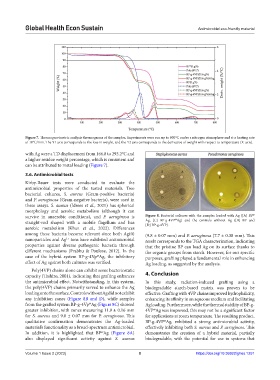
            Figure 7. Thermogravimetric analysis thermograms of the samples. Experiments were run up to 800°C under a nitrogen atmosphere and at a heating rate
            of 10°C/min. The Y1 axis corresponds to the loss in weight, and the Y2 axis corresponds to the derivative of weight with respect to temperature (X-axis).

            with Ag were a TD displacement from 166.8 to 293.2°C and
            a higher residue weight percentage, which is consistent and
            can be attributed to metal loading (Figure 7).

            3.6. Antimicrobial tests
            Kirby-Bauer tests were conducted to evaluate the
            antimicrobial properties of the tested materials. Two
            bacterial cultures,  S. aureus (Gram-positive bacteria)
            and P. aeruginosa (Gram-negative bacteria), were used in
            these assays. S. aureus (Idrees et al., 2021) has spherical
            morphology and aerobic metabolism (although it can
            survive in anaerobic conditions), and  P.  aeruginosa is   Figure 8. Bacterial cultures with the samples loaded with Ag ([A] BP @
                                                                            @
            straight-rod shaped with a mobile flagellum and has   Ag, [C] BP-g-4VP Ag) and the controls without Ag ([B] BP and
                                                               [D] BP-g-4VP).
            aerobic metabolism (Khan  et al., 2022). Differences
            among these bacteria become relevant since both Ag(0)   (9.8 ± 0.07 mm) and P. aeruginosa (7.7 ± 0.38 mm). This
            nanoparticles and Ag  ions have exhibited antimicrobial   result corresponds to the TGA characterization, indicating
                             1+
            properties against diverse pathogenic bacteria through   that the pristine BP can load Ag on its surface thanks to
            different  mechanisms  (Prabhu  &  Poulose,  2012).  In  the   the organic groups from starch. However, for our specific
            case of the hybrid system BP-g-4Vp Ag, the inhibitory   purposes, grafting played a fundamental role in enhancing
                                          @
            effect of Ag against both cultures was verified.   Ag loading, as suggested by the analysis.
              Poly(4VP) chains alone can exhibit some bacteriostatic
            capacity (Tashiro, 2001), indicating that grafting enhances   4. Conclusion
            the antimicrobial effect. Notwithstanding, in this system,   In this study, radiation-induced grafting using a
            the poly(4VP) chains primarily served to enhance the Ag   biodegradable starch-based matrix was proven to be
            loading onto the surface. Controls without Ag did not exhibit   effective. Grafting with 4VP chains improved hydrophilicity,
            any inhibition zones (Figure  8B  and  D), while samples   enhancing its affinity in an aqueous medium and facilitating
            from the grafted system BP-g-4Vp Ag (Figure 8C) showed   Ag loading. Furthermore, while the thermal stability of BP-g-
                                       @
            greater inhibition, with zones measuring 11.9 ± 0.16 mm   4VP Ag was improved, this may not be a significant factor
                                                                  @
            for S.  aureus and 9.8 ± 0.07 mm for  P.  aeruginosa. This   for applications at room temperature. The resulting product,
            qualitative confirmation demonstrates the Ag-loaded   BP-g-4VP Ag, exhibited a strong antimicrobial activity,
                                                                       @
            material’s functionality as a broad-spectrum antimicrobial.   effectively inhibiting both S. aureus and P. aeruginosa. This
            In  addition,  it is  highlighted that  BP Ag  (Figure  8A)   demonstrates the creation of a hybrid material, partially
                                            @
            also displayed significant activity against  S.  aureus   biodegradable, with the potential for use in systems that

            Volume 1 Issue 2 (2023)                         8                        https://doi.org/10.36922/ghes.1251

