


Page 202 - GHES-3-2
P. 202
Global Health Economics and
            Sustainability
                                                                                      Gender inequality and healthcare


            time, as the proportion of political positions occupied by   3.4. Gender inequality, education, and health quality
            women  increased,  the  incidence  of  HIV  among  females   The study also explores the association between gender
            displayed a decreasing trend.                      parity in education and health. Figure 13 displays the gender
                                                               parity index in school enrollment and life expectancy for
                                                               males and females. The gender parity index is the ratio
            A                                                  of female-to-male enrollment in primary and secondary
                                                               schools in a region. Life expectancy is significantly and
                                                               positively correlated with the gender parity index for
                                                               school enrollment. Female life expectancy exceeded male
                                                               life  expectancy  as  the  parity  increased,  suggesting  that
                                                               increasing equity in school enrollment may have reduced
                                                               overall gender inequality in society and improved women’s
                                                               health.
                                                                 Figure  14 displays the association between the
                                                               gender parity index in school enrollment (primary and
            B                                                  secondary) and fertility rates by region. The size of the
                                                               circle corresponds to the fertility rate, while the color
                                                               intensity corresponds to the gender parity index in school
                                                               enrollment. Africa has the lowest gender parity index in
                                                               enrollment (indicating the lowest female enrollment rate),
                                                               but the highest fertility rate for women. Countries with
                                                               high gender parity in enrollment have a low fertility rate,
                                                               implying that increased female enrollment in schools is
                                                               correlated with lower fertility rates – an expected finding,
                                                               as the standard of living improves with education.
                                                                 Figure  15 displays the average mortality rates for
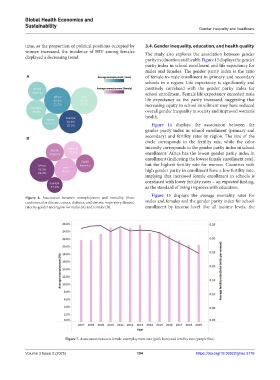
            Figure  6. Association between unemployment and mortality (from
            cardiovascular disease, cancer, diabetes, and chronic respiratory disease)   males and females and the gender parity index for school
            rates by gender and region for males (A) and females (B).  enrollment by income level. For all income levels, the


                             Figure 7. Association between female unemployment rate (pink bars) and fertility rate (purple line)


            Volume 3 Issue 2 (2025)                        194                       https://doi.org/10.36922/ghes.5776

