


Page 15 - GPD-2-2
P. 15
Gene & Protein in Disease                                                              MOR in cancer


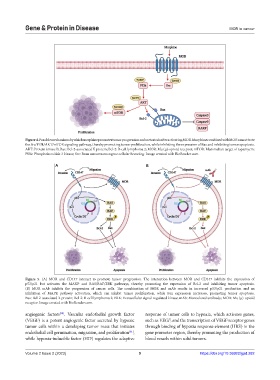
            Figure   4. Possible mechanisms by which morphine promotes tumor progression and metastasis after activating MOR. Morphine combined with MOR can activate
            the Src/PI3k/AKT/mTOR signaling pathway, thereby promoting tumor proliferation, while inhibiting the expression of Bax and inhibiting tumor apoptosis.
            AKT: Protein kinase B; Bax: Bcl-2-associated X protein; Bcl-2: B-cell lymphoma 2; MOR: Mu (µ)-opioid receptor; mTOR: Mammalian target of rapamycin;
            PI3k: Phosphoinositide 3 kinase; Src: Rous sarcoma oncogene cellular homolog. Image created with BioRender.com.

                         A                                     B


            Figure  5.  (A) MOR  and CD147  interact  to  promote tumor  progression. The  interaction between MOR  and CD147  inhibits  the  expression  of
            p53/p21 but activates the MAKP and RAS/RAF/ERK pathways, thereby promoting the expression of Bcl-2 and inhibiting tumor apoptosis.
            (B) MOR mAb inhibits the progression of cancer cells. The combination of MOR and mAb results in  increased p53/p21  production and an
            inhibition of MAPK pathway activation, which can inhibit tumor proliferation, while Bax expression increases, promoting tumor apoptosis.
            Bax: Bcl-2-associated X protein; Bcl-2: B-cell lymphoma 2; ERK: Extracellular signal-regulated kinase; mAb: Monoclonal antibody; MOR: Mu (µ)-opioid
            receptor. Image created with BioRender.com.

            angiogenic factors . Vascular endothelial growth factor   response of tumor cells to hypoxia, which activates genes,
                          [90]
            (VEGF) is a potent angiogenic factor secreted by hypoxic   such as VEGF, and the transcription of VEGF receptor genes
            tumor cells within a developing tumor mass that initiates   through binding of hypoxia response element (HRE) in the
            endothelial cell germination, migration, and proliferation ,   gene promoter region, thereby promoting the production of
                                                        [91]
            while hypoxia-inducible factor (HIF) regulates the adaptive   blood vessels within solid tumors.

            Volume 2 Issue 2 (2023)                         9                         https://doi.org/10.36922/gpd.282

