


Page 64 - IJAMD-1-3
P. 64
International Journal of AI for
            Materials and Design
                                                            Phase change materials and digital twin technology in thermal energy


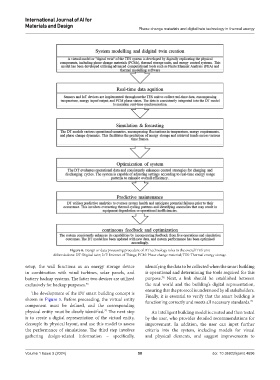
                               Figure 6. Design or data processing procedure of DT technology roles in the overall TES unit
                        Abbreviations: DT: Digital twin; IoT: Internet of Things; PCM: Phase change material; TES: Thermal energy storage.

            setup, the wall functions as an energy storage device   identifying the data to be collected when the smart building
            in combination with wind turbines, solar panels, and   is operational and determining the tools required for this
            battery backup systems. The latter two devices are utilized   purpose.  Next, a link should be established between
                                                                      78
            exclusively for backup purposes. 76                the real world and the building’s digital representation,
                                                               ensuring that the protocol is understood by all stakeholders.
              The development of the DT smart building concept is
            shown in Figure 5. Before proceeding, the virtual entity   Finally, it is essential to verify that the smart building is
                                                               functioning correctly and meets all necessary standards.
                                                                                                           79
            component must be defined, and the corresponding
                                             77
            physical entity must be clearly identified.  The next step   An intelligent building model is created and then tested
            is to create a digital representation of the virtual entity,   by the user, who provides detailed recommendations for
            decouple its physical layout, and use this model to assess   improvement. In addition, the user can input further
            the performance of simulations. The third step involves   criteria into the system, including models for visual
            gathering design-related information – specifically,   and physical elements, and suggest improvements to


            Volume 1 Issue 3 (2024)                         58                             doi: 10.36922/ijamd.4696

