


Page 62 - IJAMD-1-3
P. 62
International Journal of AI for
            Materials and Design
                                                            Phase change materials and digital twin technology in thermal energy


            Table 1. Pros and cons of organic and inorganic PCMs
            PCM                         Pros                                  Cons                   References
            Organic     •  Wide temperature range for phase transitions.  • Combustible.                62
                        •  Withstands heat without deterioration.  • Low density.
                        •  Does not react chemically.            •  Poor thermal conductivity.
                        •  Safe for use around metals.
                        •  No phase segregation during homogeneous melting.
                        • High latent heat.
                        •  Strong nucleation ability.
                        •  Minimal volume variation.
                        •  Recyclable plastic.
            Inorganic   •  Excellent heat conduction.            •  Phase separation during incongruent   62
                        •  Efficient use of enthalpy.             melting.
                        •  Minimal volume change during phase transition.  • Poor nucleation.
                        •  Non‑flammable.                        • Prone to degradation.
                                                                 • Potentially hazardous.
                                                                 •  Not all building materials are compatible.
                                                                 • Higher cost.
            Abbreviation: PCM: Phase change material.


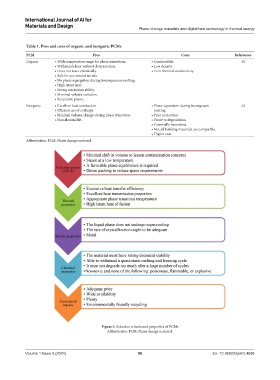
                                            Figure 5. Selection criteria and properties of PCMs
                                               Abbreviation: PCM: Phase change material.


            Volume 1 Issue 3 (2024)                         56                             doi: 10.36922/ijamd.4696

