


Page 21 - IMO-1-1
P. 21
Innovative Medicines & Omics                                         Antioxidant nanomedicines for therapies


            A


            B


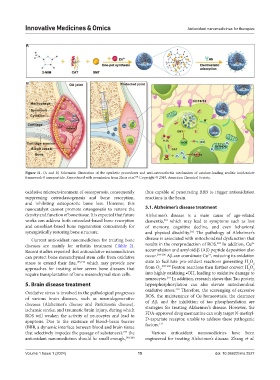
            Figure  11.  (A  and  B)  Schematic  illustration  of  the  synthetic  procedures  and  anti-osteoarthritis  mechanism  of  catalase-loading  zeolitic  imidazolate
                                                           181
            framework-8 nanoparticle. Reproduced with permission from Zhou et al.  Copyright © 2019, American Chemical Society.

            oxidative microenvironment of osteoporosis, consequently   thus capable of penetrating BBB to trigger antioxidation
            suppressing osteoclastogenesis and bone resorption,   reactions in the brain.
            and  inhibiting  osteoporotic  bone  loss.  However,  this
            nanocatalyst cannot promote osteogenesis to restore the   5.1. Alzheimer’s disease treatment
            density and function of bone tissue. It is expected that future   Alzheimer’s  disease  is  a  main  cause  of  age-related
            works can address both osteoclast-based bone resorption   dementia,  which may lead to symptoms such as loss
                                                                       201
            and  osteoblast-based  bone  regeneration  concurrently  for   of memory, cognitive decline, and even behavioral
            synergistically restoring bone structure.          and  physical  disability.   The  pathology  of  Alzheimer’s
                                                                                  202
              Current antioxidant nanomedicines for treating bone   disease is associated with mitochondrial dysfunction that
                                                                                             203
                                                                                                            2+
            diseases  are  mainly  for  arthritis  treatment  (Table  2).   results in the overproduction of ROS.  In addition, Cu
            Recent studies reported that antioxidative nanomedicines   accumulation and amyloid-β (Aβ) peptide deposition also
                                                                                          2+
            can protect bone mesenchymal stem cells from oxidative   occur. 204-206  Aβ can coordinate Cu , reducing its oxidation
            stress to extend their fate, 195,196  which may provide new   state  to  facilitate  pro-oxidant  reactions  generating  H O
                                                                                                           2
                                                                                                             2
            approaches for treating other severe bone diseases  that   from O . 207-209  Fenton reactions then further convert H O
                                                                                                             2
                                                                     2
                                                                                                           2
            require transplantation of bone mesenchymal stem cells.  into highly oxidizing •OH, leading to oxidative damage to
                                                               neurocytes.  In addition, research shows that Tau protein
                                                                        201
            5. Brain disease treatment                         hyperphosphorylation can also elevate mitochondrial
                                                               oxidative stress.  Therefore, the scavenging of excessive
                                                                            210
            Oxidative stress is involved in the pathological progresses   ROS, the maintenance  of Cu homeostasis, the clearance
            of various brain diseases, such as neurodegenerative   of  Aβ, and  the inhibition of tau  phosphorylation are
            diseases  (Alzheimer’s  disease  and  Parkinson’s  disease),
            ischemic stroke, and traumatic brain injury, during which   strategies  for  treating  Alzheimer’s  disease.  However,  the
            ROS will weaken the activity of neurocytes and lead to   FDA-approved drug memantine can only target N-methyl-
            apoptosis.  Due  to  the  existence  of  blood–brain  barrier   D-aspartate receptor, unable to address these pathogenic
                                                                     211
            (BBB, a dynamic interface between blood and brain tissue   factors.
            that selectively impedes the passage of substances),  the   Various  antioxidant  nanomedicines  have  been
                                                     197
            antioxidant nanomedicines should be small enough, 198-200    engineered for treating Alzheimer’s disease. Zhang et al.
            Volume 1 Issue 1 (2024)                         15                               doi: 10.36922/imo.2527

