


Page 59 - JCTR-11-4
P. 59
Journal of Clinical and
            Translational Research                                             AR-TAVR coaxiality assessment using 3DP


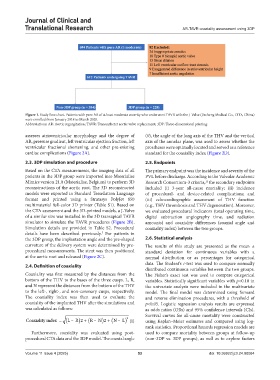
            Figure 1. Study flow chart. Patients with pure AR of at least moderate severity who underwent TAVR with the J-Valve (Jiecheng Medical Co., LTD., China)
            were enrolled from January 2018 to March 2020.
            Abbreviations: AR: Aortic regurgitation; TAVR: Transcatheter aortic valve replacement; 3DP: Three-dimensional printing.

            assesses atrioventricular morphology and the degree of   (θ), the angle of the long axis of the THV and the vertical
            AR, pressure gradient, left ventricular ejection fraction, left   axis of the annular plane, was used to assess whether the
            ventricular fractional shortening, and other pre-existing   prostheses were optimally located and served as a reference
            cardiac complications (Figure 2A).                 standard for the coaxiality index (Figure 2D).
            2.3. 3DP simulation and procedure                  2.5. Endpoints
            Based on the CTA measurements, the imaging data of all   The primary endpoint was the incidence and severity of the
            patients in the 3DP group were imported into Materialise   PVL before discharge. According to the Valvular Academic
            Mimics version 21.0 (Materialise, Belgium) to perform 3D   Research Consortium-3 criteria,  the secondary endpoints
                                                                                        12
            reconstructions of the aortic root. The 3D reconstructed   included (i) 3-year all-cause mortality; (ii) incidence
            models were exported in Standard Tessellation Language   of procedural-  and device-related complications; and
            format and printed using a Stratasys PolyJet 850   (iii) echocardiographic assessment of THV function
            multimaterial full-color 3D printer (Table S1). Based on   (e.g., THV thrombosis and THV degeneration). Moreover,
            the CTA assessment and the 3D-printed models, a J-Valve   we evaluated procedural indicators (total operating time,
            of a similar size was installed in the 3D transapical TAVR   digital subtraction angiography time, and radiation
            simulator to simulate the TAVR procedures (Figure 2B).   amounts) and coaxiality differences (coaxial angle and
            Simulation details are provided in  Table S2.  Procedural   coaxiality index) between the two groups.
            details have been described previously.  For patients in
                                            7
            the 3DP group, the implantation angle and the pre-shaped   2.6. Statistical analysis
            curvature of the delivery system were determined by pre-  The results of this study are presented as the mean ±
            procedural measurements. The stent was then positioned   standard deviation for continuous variables with a
            at the aortic root and released (Figure 2C).       normal distribution or as percentages for categorical
                                                               data. The Student’s t-test was used to compare normally
            2.4. Definition of coaxiality
                                                               distributed continuous variables between the two groups.
            Coaxiality was first measured by the distances from the   The Fisher’s exact test was used to compare categorical
            bottom of the THV to the bases of the three cusps. L, R,   variables. Statistically significant variables with p<0.10 in
            and N represent the distances from the bottom of the THV   the univariate analysis were included in the multivariate
            to the left-, right-, and non-coronary cusps, respectively.   model. The final model was determined using forward
            The  coaxiality index was  then  used  to evaluate  the   and reverse elimination procedures, with a threshold of
            coaxiality of the implanted THV after the simulations and   p<0.05. Logistic regression analysis results are expressed
            was calculated as follows:                         as odds ratios (ORs) and 95% confidence intervals (CIs).
                                                               Survival curves for all-cause mortality were constructed
                                       (
                                                (
                                            ) +
            Coaxiality index   =  (L –  R 2    R –  N 2    N –  L ) 2  (I)  using Kaplan–Meier estimates and compared using log-
                                   ) +
                                                               rank statistics. Proportional hazards regression models are
              Furthermore,  coaxiality  was  evaluated  using  post-  used to compare mortality between groups at follow-up
            procedural CTA data and the 3DP model. The coaxial angle   (non-3DP vs. 3DP groups), as well as to explore factors
            Volume 11 Issue 4 (2025)                        53                            doi: 10.36922/jctr.24.00084

