


Page 12 - MSAM-2-2
P. 12
Materials Science in Additive Manufacturing                        Union of 2D nanomaterials and 3D printing


                         A                        D


                                                  E
                         B


                         C
                                                  F


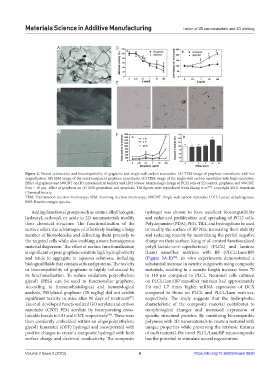
            Figure 2. Neural cytotoxicity and biocompatibility of graphene and single-wall carbon nanotubes. (A) TEM image of graphene nanosheets with low
            magnification. (B) SEM image of the semitransparent graphene nanosheets. (C) TEM image of the single-wall carbon nanotubes with high-resolution.
            Effect of graphene and SWCNT on (D) mitochondrial toxicity and LDH release. Morphology change of PC12 cells of (E) control, graphene, and SWCNT.
            Bars = 10 μm. Effect of graphene on (F) ROS generation and apoptosis. The figures were reproduced from Zhang et al. . Copyright 2010, American
                                                                                          [73]
            Chemical Society.
            TEM: Transmission electron microscopy; SEM: Scanning electron microscopy; SWCNT: Single-wall carbon nanotube; LDH: Lactate dehydrogenase;
            ROS: Reactive oxygen species.

              Adding functional groups such as amino, alkyl halogen,   hydrogel was shown to have excellent biocompatibility
            hydroxyl, carboxyl, or azide to 2D nanomaterials modify   and enhanced proliferation and spreading of PC12 cells.
            their chemical structure. The functionalization of the   Polydopamine (PDA), PEG, TiL4, and hydrogel can be used
            surface offers the advantages of effectively loading a large   to modify the surface of BP NSs, increasing their stability
            number of biomolecules and delivering them precisely to   and reducing toxicity by neutralizing the partial negative
            the targeted cells while also enabling a more homogenous   charge on their surface. Kang et al. created functionalized
            material dispersion. The effect of surface functionalization   poly(l-lactide-co-ε-caprolactone) (PLCL) and laminin
            is significant as pure graphene exhibits high hydrophobicity   (Lam) nanofiber matrices with BP (PLCL/Lam/BP)
            and tends to aggregate in aqueous solutions, including   (Figure  3A-E) .  In  vitro experiments demonstrated a
                                                                           [79]
            biological fluids that contain salts and proteins. The toxicity   substantial increase in neurite outgrowth using composite
            or biocompatibility of  graphene is highly influenced by   materials, resulting in a neurite length increase from 70
            its functionalization. To reduce oxidation, poly(ethylene   to 110  μm compared to PLCL. Neuronal cells cultured
            glycol) (PEG) can be used to functionalize  graphene.   on PLCL/Lam/BP nanofiber matrices had approximately
            According to immunohistological and  hematological   2.0  and 1.7  times higher mRNA expression of DCX
            analysis, PEGylated graphene (20 mg/kg) did not exhibit   compared to those on PLCL and PLCL/Lam matrices,
            significant toxicity in mice after 90 days of treatment .   respectively. The study suggests that the hydrophobic
                                                        [77]
            Liu et al. developed functionalized GO acrylate and carbon   characteristic of  the  composite  material  contributes  to
            nanotube  (CNT) PEG  acrylate by  incorporating cross-  morphological changes and increased expression of
            linkable bonds to GO and CNT, respectively . These were   specific structural proteins. By combining biocompatible
                                               [78]
            then covalently embedded within an oligo(poly(ethylene   polymers with 2D nanomaterials to create a material with
            glycol) fumarate) (OPF) hydrogel and incorporated with   unique properties while preserving the intrinsic features
            positive charges to create a composite hydrogel with both   of each material, the novel PLCL/Lam/BP nanocomposite
            surface charge and electrical conductivity. The composite   has the potential to stimulate neural regeneration.


            Volume 2 Issue 2 (2023)                         6                       https://doi.org/10.36922/msam.0620

