


Page 17 - DP-2-3
P. 17
Design+                                                             Traditional handcrafting and sustainability


                                                               the fashion industry. Traditional techniques can offer
                                                               viable business models with long-term resilience. They
                                                               are not merely methods of production, but holistic
                                                               ecosystems of economic, cultural, and social sustainability.
                                                               A  characteristic example is the Center for Traditional
                                                               Textiles  of  Cusco  in  Peru,  which  preserves  Andean
                                                               weaving traditions while strengthening cultural identity
                                                               and supporting local economies. 76-78
                                                               4.3. Traditional handicrafts and sustainable
                                                               production
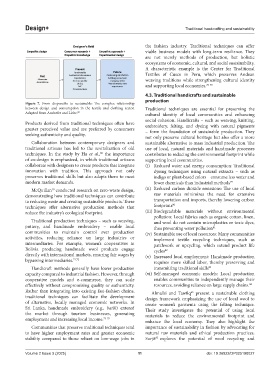
            Figure  7. From disposable to sustainable: The complex relationship
            between design and consumption in the textile and clothing sector.   Traditional techniques are essential for preserving the
            Adapted from Andorfer and Liebe. 68                cultural identity of local communities and enhancing
                                                               social cohesion. Handicrafts – such as weaving, knitting,
            Products derived from traditional techniques often have   embroidery, felting, and dyeing with natural pigments
            greater perceived value and are preferred by consumers   – form the foundation of sustainable production. They
            seeking authenticity and quality.
                                                               not only preserve cultural heritage but also offer a more
              Collaboration between contemporary designers and   sustainable alternative to mass industrial production. The
            traditional artisans has led to the revitalization of old   use of local, natural materials and handmade processes
            techniques. In the study by Hu  et al.,  the importance   contributes to reducing the environmental footprint while
                                            69
            of co-design is emphasized, in which traditional artisans   supporting local communities.
            collaborate with designers to create products that integrate   (i)  Reduced water and energy consumption: Traditional
            innovation with tradition. This approach not only     dyeing techniques using natural extracts – such as
            preserves traditional skills but also adapts them to meet   indigo or plant-based colors – consume less water and
            modern market demands.                                fewer chemicals than industrial methods 79
                       70
              McQuillan  conducted research on zero-waste design,   (ii)  Reduced carbon dioxide emissions: The use of local
            demonstrating how traditional techniques can contribute   raw materials minimizes the need for extensive
            to reducing waste and creating sustainable products. These   transportation and imports, thereby lowering carbon
            techniques offer alternative production methods that   footprints 80
            reduce the industry’s ecological footprint.        (iii) Biodegradable materials without environmental
                                                                  pollution: Local fabrics such as organic cotton, linen,
              Traditional production techniques – such as weaving,   and wool do not contain microplastics or toxic dyes,
            pottery, and handmade embroidery – enable local       thus preventing water pollution 81
            communities  to  maintain  control  over  production   (iv)  Sustainable use of local resources: Many communities
            activities, reducing reliance on large industries or   implement textile recycling techniques, such as
            intermediaries. For example, women’s cooperatives in   patchwork or upcycling, which extend product life
            Bolivia producing handmade wool products engage       cycles 82
            directly with international markets, ensuring fair wages by   (v)  Increased local employment: Handmade production
            bypassing intermediaries. 71,72                       requires more skilled labor, thereby preserving and
              Handicraft methods generally have lower production   transmitting traditional skills 83
            capacity compared to industrial fashion. However, through   (vi) Self-managed economic models: Local production
            cooperative models and e-commerce, they can scale     enables communities to independently manage their
            effectively without compromising quality or authenticity.   resources, avoiding reliance on large supply chains. 84
            Rather than integrating into existing fast-fashion chains,   Almalki and Tawfiq  present a sustainable clothing
                                                                                  63
            traditional  techniques  can  facilitate  the  development   design framework emphasizing the use of local wool to
            of alternative, locally managed economic networks. In   create women’s garments using the felting technique.
            Sri Lanka, handmade embroidery (e.g.,  batik) entered   Their study investigates the potential of using local
            the market through tourism businesses, generating   materials to reduce the environmental footprint and
            employment and increasing local income. 73-75      enhance the local economy. They also highlight the
              Communities that preserve traditional techniques tend   importance of sustainability in fashion by advocating for
            to have higher employment rates and greater economic   natural raw materials and ethical production practices.
            stability compared to those reliant on low-wage jobs in   Surjit explores the potential of wool recycling and
                                                                   85

            Volume 2 Issue 3 (2025)                         11                           doi: 10.36922/DP025190027

