


Page 165 - EJMO-9-2
P. 165
Eurasian Journal of
            Medicine and Oncology                                                 Genetic insights into CAD drug targets


                        AA


                        B


                        C


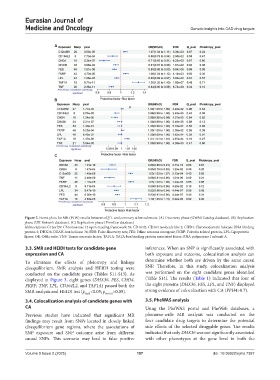
           Figure 2. Forest plots for MR (IVW) results between eQTL and coronary atherosclerosis. (A) Discovery phase (GWAS Catalog database). (B) Replication
           phase (UK Biobank database). (C) Replication phase (FinnGen database)
           Abbreviations: C12orf39: Chromosome 12 open-reading framework 39; CD164l2: CD164 molecule like 2; CHD4: Chromodomain helicase DNA binding
           protein 4; DHX36: DEAH-box helicase 36; FDR: False discovery rate; FES: Feline sarcoma oncogene; FKRP: Fukutin related protein; LPL: Lipoprotein
           lipase; OR: Odds ratio; TNF: Tumor necrosis factor; TAF1A: TATA-box binding protein associated factor, RNA polymerase I subunit A.

            3.3. SMR and HEIDI tests for candidate gene        inferences. When an SNP is significantly associated with
            expression and CA                                  both exposure and outcome, colocalization analysis can
            To eliminate the effects of pleiotropy and linkage   determine whether both are driven by the same causal
            disequilibrium, SMR analysis and HEIDI testing were   SNP. Therefore, in this study, colocalization analysis
            conducted on the candidate genes (Tables S11-S13). As   was performed on the eight candidate genes identified
            displayed in Figure 3, eight genes (DHX36, FES, CHD4,   (Table S14). The results (Table 1) indicated that four of
            FKRP, TNF, LPL, CD164L2, and TAF1A) passed both the   the eight proteins (DHX36, FES, LPL, and TNF) displayed
            SMR analysis and HEIDI test (p SMR <0.05; p HEIDI >0.05).  strong evidence of colocalization with CA (PPH4>0.7).
            3.4. Colocalization analysis of candidate genes with   3.5. PheWAS analysis
            CA                                                 Using  the  PheWAS  portal  and  PheWeb  databases,  a
            Previous  studies  have indicated  that significant  MR   phenome-wide MR analysis was conducted on the
            findings may result from SNPs located in closely linked   four candidate drug targets to determine the potential
            disequilibrium gene regions, where the associations of   side effects of the selected druggable genes. The results
            SNP exposure and SNP outcome arise from different   indicated that only DHX36 was not significantly associated
            causal SNPs. This scenario may lead to false positive   with other phenotypes at the gene level in both the


            Volume 9 Issue 2 (2025)                        157                              doi: 10.36922/ejmo.7387

