


Page 166 - EJMO-9-2
P. 166
Eurasian Journal of
            Medicine and Oncology                                                 Genetic insights into CAD drug targets


            A                                    B                           C


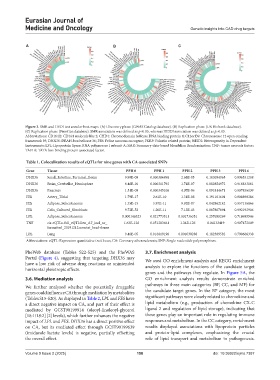
            Figure 3. SMR and HEDI test annular heat maps. (A) Discovery phase (GWAS Catalog database). (B) Replication phase (UK Biobank database).
            (C) Replication phase (FinnGen database). SMR association was defined as p<0.05, whereas HEIDI association was defined as p>0.05.
            Abbreviations: CD164l2: CD164 molecule like 2; CHD4: Chromodomain helicase DNA binding protein 4; C12orf39: Chromosome 12 open-reading
            framework 39; DHX36: DEAH-box helicase 36; FES: Feline sarcoma oncogene; FKRP: Fukutin related protein; HEIDI: Heterogeneity in Dependent
            Instruments; LPL: Lipoprotein lipase; RNA polymerase I subunit A; SMR: Summary-data-based Mendelian Randomization; TNF: tumor necrosis factor;
            TAF1A: TATA-box binding protein associated factor.

            Table 1. Colocalization results of eQTLs for nine genes with CA‑associated SNPs

            Gene     Tissue                            PPH 0       PPH 1       PPH 2       PPH 3      PPH 4
            DHX36    Small_Intestine_Terminal_Ileum   9.99E-08   0.000386898  2.68E-05   0.103054965  0.896531208
            DHX36    Brain_Cerebellar_Hemisphere      6.46E-10   0.000311792  1.74E-07   0.082854972  0.916833061
            DHX36    Pancreas                         1.51E-08   0.000345106  4.07E-06   0.091814671  0.907836139
            FES      Artery_Tibial                    1.79E-17    2.61E-10    1.31E-08   0.191101601  0.808898386
            FES      Adipose_Subcutaneous             1.35E-15    5.97E-11    9.92E-07   0.042862142  0.957136866
            FES      Cells_Cultured_fibroblasts       9.72E-52    1.20E-11    7.13E-43   0.007807094  0.992192906
            LPL      Adipose_Subcutaneous            0.000146323  0.021773511  0.001736351  0.257658269  0.718685546
            TNF      cis-eQTLs-full_eQTLGen_AF_incl_nr_  1.63E-126  0.051203661  1.34E-126  0.04132419  0.907472149
                     formatted_20191212.new.txt_besd-dense
            LPL      Lung                             9.46E-05   0.016819198  0.001030288  0.182389582  0.799666338
            Abbreviations: eQTL: Expression quantitative trait locus; CA: Coronary atherosclerosis; SNP: Single nucleotide polymorphism.

            PheWeb  database  (Tables  S22-S25)  and  the  PheWAS   3.7. Enrichment analysis
            Portal (Figure  4), suggesting that targeting  DHX36 may   We used GO enrichment analysis and KEGG enrichment
            have a low risk of adverse drug reactions or unintended   analysis to explore the functions of the candidate target
            horizontal pleiotropic effects.
                                                               genes and the pathways they regulate. In Figure 5A, the
            3.6. Mediation analysis                            GO  enrichment  analysis  results  demonstrate  enriched
            We further analyzed whether the potentially druggable   pathways in three main categories (BP, CC, and MF) for
            genes could influence CA through mediation by metabolites   the candidate target genes. In the BP category, the most
            (Tables S15-S20). As displayed in Table 2, LPL and FES have   significant pathways were closely related to chemokine and
            a direct negative impact on CA, and part of their effect is   lipid metabolism (e.g., production of chemokine CX-C
            mediated by GCST90199914 (oleoyl-linoleoyl-glycerol   ligand 2 and regulation of lipid storage), indicating that
            [18:1/18:2] [2] levels), which further enhances the negative   these genes play an important role in regulating immune
            impact of LPL and FES. DHX36 has a direct positive effect   responses and metabolism. In the CC category, enrichment
            on  CA,  but  its  mediated  effect  through  GCST90199639   results  displayed  associations  with  lipoprotein  particles
            (imidazole lactate levels) is negative, partially offsetting   and  protein-lipid  complexes,  emphasizing  the  crucial
            the overall effect.                                role of lipid transport and metabolism in pathogenesis.


            Volume 9 Issue 2 (2025)                        158                              doi: 10.36922/ejmo.7387

