


Page 68 - TD-3-3
P. 68
Tumor Discovery                                            Pyroptosis-related genes in breast cancer progression


             A                         C


             B


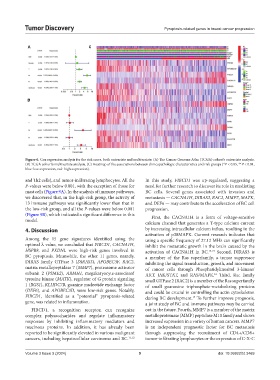
            Figure 6. Cox regression analysis for the risk score, both univariate and multivariate. (A) The Cancer Genome Atlas (TCGA) cohort’s univariate analysis.
            (B) TCGA cohort’s multivariate analysis. (C) Heatmap of the associations between clinicopathologic characteristics and risk groups (*P < 0.05, **P < 0.01,
            blue: low expression, red: high expression).

            and Th2 cells), and tumor-infiltrating lymphocytes. All the   In this study,  FIBCD1 was up-regulated, suggesting a
            P-values were below 0.001, with the exception of those for   need for further research to discover its role in mediating
            mast cells (Figure 9A). In the analysis of immune pathways,   BC cells. Several genes associated with invasion and
            we discovered that, in the high-risk group, the activity of   metastasis — CACNA1H, DIRAS3, RAC2, MMP7, MATK,
            13 immune pathways was significantly lower than that in   and DEF6 — may contribute to the acceleration of BC cell
            the low-risk group, and all the P-values were below 0.001   progression.
            (Figure 9B), which indicated a significant difference in this   First, the CACNA1H is a form of voltage-sensitive
            model.
                                                               calcium channel that generates a T-type calcium current
            4. Discussion                                      by increasing intracellular calcium influx, resulting in the
                                                               activation of p38MAPK. Current research indicates that
            Among the 15 gene signatures identified using the   using a specific frequency of 27.12 MHz can significantly
            optimal λ value, we concluded that FIBCD1, CACNA1H,   inhibit the metastatic growth in the brain caused by the
            HSPB8,  and  PXDNL  were  high-risk  genes  involved  in   activation  of  CACNA1H  in  BC. 13-15   Second,  DIRAS3  is
            BC pyroptosis. Meanwhile, the other 11 genes, namely,   a member of the Ras superfamily, a tumor suppressor
            DIRAS family GTPase 3 (DIRAS3),  APOBEC3F,  RAC2,   inhibiting the signal transduction, growth, and movement
            matrix metallopeptidase 7 (MMP7), proteasome activator   of  cancer  cells  through  Phosphatidylinositol  3-kinase/
            subunit  2 (PSME2),  ARMH1, megakaryocyte-associated   AKT,  JAK/STAT, and RAS/MAPK.  Third, Rac family
                                                                                            16
            tyrosine kinase (MATK), regulator of G protein signaling   small GTPase 2 (RAC2) is a member of the Ras superfamily
            1 (RGS1), KLHDC7B, guanine nucleotide exchange factor   of small guanosine triphosphate-metabolizing proteins
            (DEF6), and  APOBEC3D, were low-risk genes. Notably,   and could be crucial in controlling the actin cytoskeleton
            FIBCD1, identified as a “potential” pyroptosis-related   during BC development.  To further improve prognosis,
                                                                                   17
            gene, was related to inflammation.                 a joint study of BC and immune pathways may be carried
              FIBCD1, a recognition receptor, can recognize    out in the future. Fourth, MMP7 is a member of the matrix
            complex polysaccharides and regulate inflammatory   metalloproteinase (MMP) peptidase M10 family and shows
            responses by inhibiting inflammatory mediators and   increased expression in a variety of human cancers. MMP7
            mucinous proteins. In addition, it has already been   is an independent prognostic factor for BC metastasis
            reported to be significantly elevated in various malignant   through  suppressing  the  recruitment  of  CD4+/CD8+
            cancers, including hepatocellular carcinoma and BC. 11,12    tumor-infiltrating lymphocytes or the expression of C-X-C


            Volume 3 Issue 3 (2024)                         9                                 doi: 10.36922/td.3469

