


Page 475 - IJB-10-2
P. 475
International Journal of Bioprinting                                Bioprinting with ASCs and bioactive glass


            for 2.5G) were added to modify the AG hydrogel. The   ions crosslink more alginate polymer chains in the AG
            dissolution rate of borate-based glasses including B3   hydrogel that causes increased stiffness. Researchers have
            glass in different forms such as glass microspheres, large   previously reported that human mesenchymal stem cells
            particles (>200 µm), and scaffolds in DI water, PBS, and   (MSCs) encapsulated in ionically crosslinked alginate
            simulated body fluid (SBF) have been investigated in the   hydrogels show adipogenic differentiation at moduli of
            past. 38-41  These studies reported that the majority of B3   <10 kPa and show osteogenic differentiation at moduli
            glass dissolution occurred during the first 24-h soak period   of 11–30 kPa. 42,43  The authors also suggest that osteogenic
            after which the dissolution rate slowed due to the  ionic   differentiation of MSCs could be enhanced in hydrogels
            concentration gradient and other factors. In comparison,   with faster stress relaxation. AG hydrogels modified with
            the glass particles used in the current study are significantly   B3 glass (2.5G and 1.25G) have elastic moduli in similar
            smaller with an average particle size of 3 µm (20 µm mesh   range, and the stress relaxation occurs through breakage
            sieved) that could have dissolved within 24 h. Therefore,   and subsequent forming of ionic crosslinks. In addition,
            it could be safely assumed that the rheological, swelling,   stress relaxation could also occur because of the fast
            and mechanical properties of the modified AG hydrogels   swelling of B3 glass modified AG hydrogels (especially,
            are mostly dependent on the ionic dissolution products of   2.5G). Therefore, the addition of B3 glass to modify AG
            B3 glass and not the physical presence of glass particulates.   hydrogels could be useful to tune the human stem cells
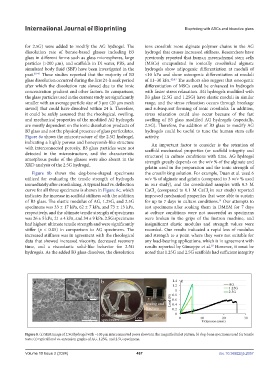
            Figure 8a shows the microstructure of the 2.5G hydrogel,   activity.
            indicating a highly porous and honeycomb-like structure   An  important factor  to consider  is  the  retention  of
            with interconnected porosity. B3 glass particles were not   scaffold mechanical properties (or scaffold integrity and
            detected in  the  microstructure, and  the characteristic   structure) in culture conditions with time. AG hydrogel
            amorphous peaks of the glasses were also absent in the   strength greatly depends on the w/v % of the alginate and
            XRD analysis of the 2.5G hydrogel.                 gelatin used in the preparation and the ionic strength of
               Figure 8b shows the dog-bone-shaped specimens   the crosslinking solution. For example, Duan et al. used 6
            utilized for evaluating the tensile strength of hydrogels   w/v % of alginate and gelatin (compared to 3 w/v % used
            immediately after crosslinking. A typical load vs. deflection   in our study), and the crosslinked samples with 0.3 M
            curve for all three specimens is shown in Figure 8c, which   CaCl  (compared to 0.1 M CaCl in our study) reported
                                                                   2
                                                                                          2
            indicates the increase in scaffold stiffness with the addition   improved mechanical properties that were able to sustain
            of B3 glass. The elastic modulus of AG, 1.25G, and 2.5G   for up to 7 days in culture conditions.  Our attempts to
                                                                                              14
            specimens was 33 ± 17 kPa, 62 ± 7 kPa, and 73 ± 13 kPa,   test specimens after soaking them in DMEM for 7 days
            respectively, and the ultimate tensile strength of specimens   at culture conditions were not successful as specimens
            was 26 ± 5 kPa, 21 ± 4 kPa, and 34 ± 9 kPa. 2.5G specimens   were broken in the grips of the Instron machine, and
            had highest ultimate tensile strength and were significantly   insignificant elastic modulus and strength values were
            stiffer (p < 0.05) in comparison to AG specimens. The   recorded. Our results indicated a rapid loss of modulus
            increased stiffness was in agreement with the rheological   and strength to a point where they were not suitable for
            data that showed increased viscosity, decreased recovery   any load-bearing applications, which is in agreement with
            time, and a viscoelastic solid-like behavior for 2.5G   results reported by Giuseppe et al.  However, it must be
                                                                                           10
            hydrogels. As the added B3 glass dissolves, the dissolution   noted that 1.25G and 2.5G scaffolds had sufficient integrity


            Figure 8. (a) SEM image of 2.5G hydrogel with ~100 µm interconnected pores shown in the magnified inlet picture; b) dog-bone specimens used for tensile
            tests; (c) typical load vs. extension graphs of AG, 1.25G, and 2.5G specimens.


            Volume 10 Issue 2 (2024)                       467                                doi. 10.36922/ijb.2057

