


Page 44 - IMO-1-1
P. 44
Innovative Medicines & Omics                                         Antioxidant nanomedicines for therapies


            A


            B


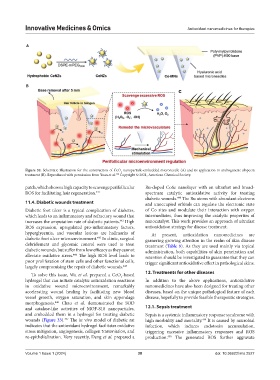
            Figure 32. Schematic illustration for the construction of CeO  nanoparticle-embedded microneedle (A) and its application in androgenetic alopecia
                                                    2
            treatment (B). Reproduced with permission from Yuan et al.  Copyright © 2021, American Chemical Society.
                                                  440
            patch, which shows a high capacity to scavenge perifollicular   Ru-doped  CoSe  nanolayer  with  an  ultrafast  and  broad-
            ROS for facilitating hair regeneration. 441        spectrum catalytic antioxidative activity for treating
                                                               diabetic wounds.  The Ru atoms with abundant electrons
                                                                            448
            11.4. Diabetic wounds treatment                    and unoccupied orbitals can regulate the electronic state
            Diabetic foot ulcer is a typical complication of diabetes,   of Co sites and modulate their interaction with oxygen
            which leads to an inflammatory and refractory wound that   intermediates, thus improving the catalytic properties of
            increases the amputation rate of diabetic patients.  High   nanocatalyst. This work provides an approach of ultrafast
                                                    442
            ROS  expression,  upregulated  pro-inflammatory  factors,   antioxidation strategy for disease treatment.
            hyperglycemia, and vascular lesions are hallmarks of   At   present,   antioxidation   nanomedicines   are
            diabetic foot ulcer microenvironment.  In clinic, surgical   garnering growing attention in the realm of skin disease
                                          443
            debridement and glycemic control were used to treat   treatment (Table 9). As they are used mainly via topical
            diabetic wounds, but suffer from low efficacy as they cannot   administration, both capabilities of skin penetration and
            alleviate  oxidative  stress.  The high ROS level leads to   retention should be investigated to guarantee that they can
                                444
            poor proliferation of stem cells and other functional cells,   trigger significant antioxidative effect in pathological skins.
            largely compromising the repair of diabetic wounds. 445
              To solve this issue, Wu et al. prepared a CeO -based   12. Treatments for other diseases
                                                    2
            hydrogel that can initiate catalytic antioxidation reactions   In  addition  to  the  above  applications,  antioxidative
            in oxidative wound microenvironment, remarkably    nanomedicines have also been designed for treating other
            accelerating  wound healing by  facilitating new  blood   diseases, based on the unique pathological feature of each
            vessel growth, oxygen saturation, and skin appendage   disease, hopefully to provide feasible therapeutic strategies.
            morphogenesis.  Chao  et al. demonstrated the SOD
                        446
            and  catalase-like  activities  of  MOF-818  nanoparticles,   12.1. Sepsis treatment
            and  embedded  them  in  a hydrogel  for  treating  diabetic   Sepsis is a systemic inflammatory response syndrome with
            wounds (Figure 33).  The in vivo model of diabetic rat   high morbidity and mortality.  It is caused by microbial
                            447
                                                                                       449
            indicates that the antioxidant hydrogel facilitates oxidative   infection, which induces endotoxin accumulation,
            stress mitigation, angiogenesis, collagen transmission, and   triggering excessive inflammatory responses and ROS
            re-epithelialization. Very recently, Deng et al. prepared a   production.  The generated ROS further aggravate
                                                                        450

            Volume 1 Issue 1 (2024)                         38                               doi: 10.36922/imo.2527

